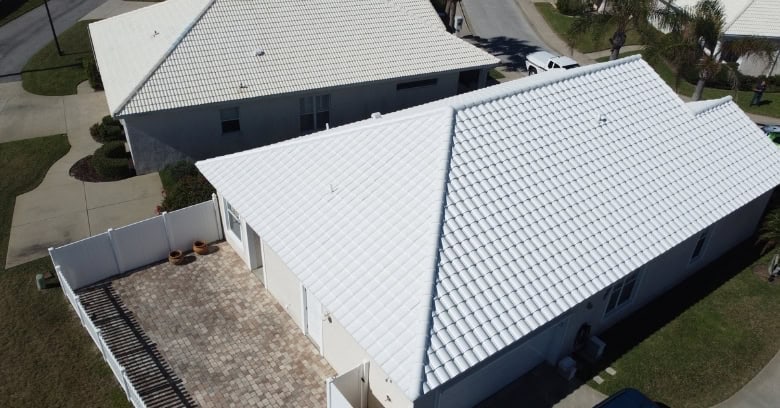
Need Residential Roofing in Denver Metro Area?
APC Roofing handles everything from a simple checkup to a full replacement, on shingle, metal and tile alike.
Phone 720-902-6940, and a roofer schedules a visit to look at the house.
A Roof's Construction, Explained: What Holds a House Together
The surface a passerby notices is only the outer layer, and underlayment, decking and rafters sit beneath the surface. Bent metal covers the gap at a chimney, a pipe or a valley, and water there rarely traces back to worn shingles close by.
Ventilation in the attic ranks as one more working part of the roof, because trapped heat and damp age the deck and shingles above. A drip inside a bedroom can come from any level of the roof, so a repair aimed only at the surface can miss the real cause.
A Roof at Work: Quiet but Constant
A pitched covering sends rain down toward the gutters, while the fastening pattern stands up to uplift. The framing bears the load above, snow included at the colder end of our territory, while airflow through the attic moves damp air out.
Water is a job for the covering, and wind is a task for the fastening, while what is underneath holds the whole thing steady, out of sight. A weak component shows up as a sign of trouble somewhere else on the roof, and a lasting fix reaches back to where the fault began.
Small Parts of a Roof System: Different Timelines
The shingled field is built to last for decades, but the gasket around a vent pipe hardens within a fraction of that span. Rain finds a way down past the weak point, and a mark spreads across the ceiling beneath.
Sealant along metal edges dries and shrinks in strong sun, and metal flashing rusts at bends and cut ends. Cap shingles break along the seam, since the crest takes more weather than the planes below.
Different Stages, Different Details: a Two-Step Read
From the yard, the shape of the roof reveals dips, sags and wavy planes, and the fascia and gutter runs are visible at the same time. A zoom lens singles out torn collars, lifted tabs and bare patches, though failing sealant can stay hidden from the ground.
On the slope, a roofer works over every pipe connector and traces each flashing run, and the surface is checked for cracking, granule shedding and curled edges. A slippery or steep slope rules out walking, and the check is made instead from a ladder at the eave.
Inside the Attic: Signs Worth Finding
Discolored wood around a fastener points to water that beat the covering, and moisture felt by hand shows the water is still coming through. Daylight visible between the boards marks an opening, and a measurement from the peak locates the spot for the outside look.
Corroded fasteners poking through mean the attic air runs humid, and a matted, faded patch nearby confirms the same condition. Fill pushed into the eave opening, or a fan duct ending in the attic, turns up only from inside, so a street-level glance never catches faults of that kind.
A Homeowner's Take-Away: An Overview
Each finding is recorded with a photograph tied to a place on the roof, and a written line explains what each image shows. Good sections get the same plain treatment as sections that do not, and problem areas are ranked by urgency.
A filed report from an earlier check-up serves as a reference going forward, and a trend across seasons is clearer than a single day's snapshot. A roof followed on a consistent schedule rarely springs a surprise, and the signs of a major repair appear well before the job becomes pressing.
Routine Care for a Shingle Roof: What Gets Done
Worn boots around the stacks get exchanged for new ones, and aging caulk at skylights gets cut out and redone. Anything the trees drop gets brushed out of the channels, and the gutter runs along the eaves get straightened.
A raised corner glued down in time stays a simple repair, but waiting out a rainy stretch invites water in from beneath. A mat of moss holds water along the lower edges, and the growth gets killed with a treatment and swept off by hand.
The Habit Worth Keeping: the Basics
A roofer should walk the roof once a year, timed for right after the season that is hardest on roofs locally. The goal is seeing deterioration ahead of any drip, and the family hears plainly where the roof stands.
In the months between visits, a look from the driveway after high wind helps, and top-floor rooms are worth checking for fresh stains. A few minutes under the deck with a lamp each season pay off: damp wood, daylight and wet insulation are easy to see long before anything reaches the space below.
How Age Shows on a Roof: Early Signs to Late Signs
A shingle surface in the first seasons looks crisp and even, and past the midpoint the south-facing side lightens ahead of the others. At the very end, tabs turn brittle and crack, and mending one area seems to open another.
An impression formed from outside has real value, but only a hands-on check settles the matter. A covering that has reached the end of a normal service life raises a replacement question, and a trustworthy contractor gives a plain answer, rather than selling more mending.
The Channel's Part in the System: The Stakes Explained
Shingles hand off rainfall at the drip edge and no farther, and a gutter takes the water the rest of the way. Blocked outlets send overflow over the back lip of the channel, and the framing at that spot decays.
A soft spot along that edge points more often to drainage trouble than to worn shingles, and reroofing alone will not solve a fault at that spot. Gutter fall and downspout placement get checked together, and the drip edge gets looked over where the metal meets the fascia line.
How the Roof Breathes: How the Design Works
Outside air should enter under the eaves and leave near the peak, and that path carries heat and moisture out of the attic. Where the opening gets sealed off, the attic runs hot in summer and stays sticky through humid stretches, and the tabs curl and the plywood softens ahead of schedule.
Exhaust hardware installed with no matching intake draws conditioned air up from the rooms below, and competing setups on one roof can leave the lower attic stagnant. Reroofing with poor airflow left alone carries the fault forward, so the arrangement gets corrected while the deck is already open.
Specifications That Follow the Weather: What Shifts From Place to Place
At the colder end of our range, ice and drifting snow set the build, and a waterproof membrane covers the bottom few feet of deck. Nearest the coast, uplift resistance governs the fastening choices, and storm-rated trim metal and taped seams get called for.
Where big hail is common at the colder end of our region, a harder surface earns consideration, while strong sun bakes asphalt across every market we serve. Every build answers to conditions at that particular site, not routine, and not whatever a past project called for.
Family Homes and Business Buildings: Different Demands
A sloped covering sheds rain by lap, and the surface is usually shingle, tile or metal. Most commercial buildings use a single-ply or built-up membrane, and internal drains and heating units share space on that roof.
A fair number of homes have a shallow strip over a porch, and a shingled surface there lets rain linger long enough to work under the courses. A spot shaped that way calls for a sheet membrane, tucked under the steeper roof above, and re-laying shingles there repeats the same fault.
Tarps and Emergency Covers: What Works and What Fails
A secured sheet keeps rain out while repairs get scheduled, but the underlying trouble waits for a crew. A good cover goes up and over the peak and gets fastened with wood strips, and the material gets drawn tight enough to hold quiet in a gale.
A sheet cut too small leaves the edges of the opening exposed, because rain travels sideways toward a gap that stops short. A cover left up through a whole season holds heat against the surface, and the material underneath weakens over time.
Where the Roof Changes Direction: No Room for Guesswork
Step flashing gets woven in with each course along a wall, and a strip of trim above turns down over the top edges. Every chimney needs an apron at the front and metal carried up across each edge, and any stack wider than a small one calls for a cricket set into the slope uphill.
Sealant slathered on a weak spot lets go as the metal expands and contracts, and only a correct rebuild ends things for good. Crumbling mortar lets rain soak into the masonry higher up, and that kind of trouble calls for a mason alongside a roofer.
Getting the Scope in Writing: Comparing Bids
The plan for a job names every product by brand, and a plain line covers tearing off versus covering over. A firm outline settles ahead of time how bad wood gets handled, and every vent, every flashing piece and the haul-away get called out individually.
Bids laid out in full are easy to check against each other, and the real differences between the two documents come into view. A firm unwilling to resolve the plan in advance is telling an owner something, and memory is a poor record of what got agreed.
How a Re-Roof Unfolds: What a Homeowner Sees
Plants take tarps and hard surfaces take padding before the crew begins, and the old covering gets stripped into a trailer. Once exposed, the sheathing gets a careful look for rot and breaks, and rotten sections get rebuilt before anything gets put back down.
A protective membrane, new flashing and full underlayment get installed, and the covering, the ridge caps and the vents go on to finish the job. The yard and drive get a magnetic sweep before the crew leaves, and nothing from the cleanup stays behind in the gutters.
Non-Shingle Roofing Care: What Differs by Material
Exposed-fastener metal panels seal at a rubber gasket under every fastener, and a leaking screw gets paired with a fresh washer. Tile in our markets gets set by several methods, including mortar, foam adhesive and mechanical clips, and the layer underneath carries the job of shedding water.
A careless step snaps a piece easily, and a damaged unit gets lifted out and replaced with one of the same profile. Where part of a roof runs nearly flat, ponding and split seams are the warning signs, and debris gets cleared from drains and scuppers.
Clues That Point to Trouble: Outside and In
- Sand-like mineral grains in the gutter runs, well beyond what a new roof sheds.
- Shingle edges cupping upward, spread across more than one row.
- A pipe boot with an open gap, easy to miss without a zoom lens.
- Discoloration on a bedroom ceiling, still visible once dry.
- Daylight through the attic boards, beside a vent stack.
- Moss packed into the laps, growing thicker every spring.
- A bulge that catches the light at dusk, seen best from across the street.
- Dried beads separating at a skylight, worth a closer look before the next storm.
Residential Roofing Across Denver Metro Area: APC Roofing's Approach
Before anything gets suggested, a roofer takes in the whole covering and the attic together, and the evidence comes back as photographs and the verdict in writing. What is fine gets said as plainly as what needs attention, and the decision belongs to the homeowner, not the crew.
Residential Roofing Across Denver Metro Area: a Close Look at the Roof
Dial 720-902-6940 and set a time for a visit.
A Roof Timeline: Best Done Early
Noting when the covering went on, along with the brands used, is worth doing, and each visit's report belongs with the earlier entries. Including a line for every repair, the spot and the method, rounds out the picture, and a decade on, the trend stands out clearly.
Once a home hits the market, the roof's age and condition come up in conversation, and dated receipts make the answers easy to give. A copy kept at a second location protects the earlier notes, since paper can be damaged or destroyed over the years.
Standards Worth Holding a Crew To: Quality You Can See
Courses run straight and the cuts along the rakes come out clean, and every fastener stays hidden under the shingle above. Flashing at walls is new and set in properly, and nothing gets troweled on to cover a shortcut.
The soffit vents breathe freely and the ridge vent stays clear, and every gutter ends up hanging correctly. No nails or scraps get left in the grass or on the drive, and a quick hose-down removes the last of the sawdust from a walkway.
Anyone who arrived looking into Residential Roofing in Denver Metro Area is one step away from a straight answer. A call to APC Roofing at 720-902-6940 gets a date on the calendar. Every visit covers the roof and the attic together, with nothing left to chance.