Trying to Find Emergency Roofing in Denver Metro Area?
APC Roofing covers everything from a routine checkup to a complete replacement, across asphalt, metal and tile alike.
Call 720-902-6940, and a roofer sets a time to come look at the house.
What a Roof Is Made Of: the Working Structure
The topmost material is nothing more than the outer layer, and underlayment, decking and rafters sit beneath the surface. Bent metal covers the gap at a chimney, a pipe or a valley, and a drip there rarely points to worn shingles on the slope.
The attic air beneath the deck counts as part of the roof assembly, because trapped heat and damp age the deck and shingles above. Water showing indoors may come from any level of the structure, and a fix aimed only at the outer surface can leave the real source untouched.
The Duties of a Roof: Quiet but Constant
Laps and pitch steer rainfall toward the gutters, while nails and seal strips resist the pull of gusts. The framing bears the load above, snow included at the colder end of our territory, while airflow through the attic moves damp air out.
Water is the covering's job, and wind is the fastening's task, and holding the whole thing up falls to what is underneath. A weak link puts strain on the parts around the weak spot, and a lasting fix reaches back to where the fault began.
Minor Roof Components: A Shorter Story
A field of sound shingles can go for decades, but the gasket around a vent pipe hardens within a fraction of that span. A path opens for water to travel down into the house, and paint bubbles on the ceiling below.
Sealant along metal edges dries and shrinks in strong sun, and metal flashing rusts at bends and cut ends. Cap shingles break along the seam, because the highest point stands open to glare and gusts.
What Appears Early: What Turns Up at Each Point
At a distance, the outline of the roof gives away dips, sags and wavy planes, and the fascia and gutter runs are visible at the same time. Binoculars pick out torn collars, lifted tabs and bare patches, yet a few conditions still need a hand on the surface.
Out on the roof, a roofer presses on every connector and follows each run of flashing, and the field is read for brittleness, granule shedding and loose edges. A rain-slicked or very steep covering stays off limits underfoot, and the check is made instead from a ladder at the eave.
Behind the Ceiling: a Homeowner's Tour
Discolored wood around a fastener points to water that beat the covering, and a soft, wet feel means the entry point is still open. Light passing through the decking reveals a breach, and the position gets noted by measurement before anyone climbs.
Nail points gone orange signal damp air, not a leak, and a darkened patch under the deck tells the same story. Insulation stuffed into the eaves, or a bath fan ducted into the attic instead of outside, gets found only from inside, so a yard-only look passes over faults like that.
What Comes Home With You: a Plain Account
A record of the visit takes the form of photographs keyed to spots on the roof, and a short note describes what each image covers. Good sections get the same plain treatment as sections that do not, and faults are ordered from most to least pressing.
A report kept on file lets the next check be measured against a known starting point, and movement across seasons reads more directly than one day's condition. A roof tracked across each year brings few surprises, and a big repair signals trouble long before the work is urgent.
Upkeep on a Shingle Roof: a Short Rundown
Worn boots around the stacks get exchanged for new ones, and the joints at each flue get resealed. Debris gets swept from the valleys and from the crickets, and downspouts get flushed so water moves through.
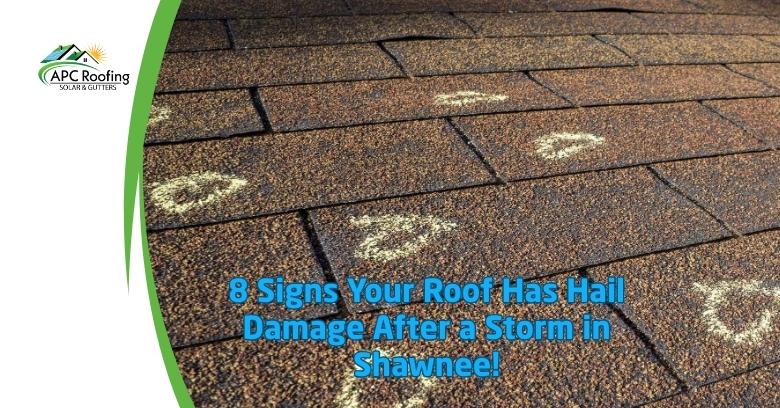
A shingle corner resealed in good weather takes little effort, but delay through a wet season can let water reach the ceiling below. Moss holds shingle edges up and traps water against the courses, and a gentle wash clears the growth, since a pressure washer strips granules.
The Habit Worth Keeping: Consistency Pays Off
A roofer's walk-through belongs on the calendar every year, scheduled once the harshest stretch of local weather has passed. The purpose is catching wear before a leak develops, and the family hears plainly where the roof stands.
After rough weather, anyone can scan the roof from the yard, and top-floor rooms are worth checking for fresh stains. A flashlight trip into the attic twice a year pays off: dark spots, daylight and matted insulation turn up long before anything travels any further.
How Age Shows on a Roof: Clues at Each Stage
Freshly laid, a shingle covering is flat and evenly toned, and later in life the sun-exposed plane fades before the shaded side does. At the very end, tabs turn brittle and crack, and a repair rarely holds for long at that stage.
Judging from the street supplies a reasonable idea, but a walk on the roof is what confirms the condition. Once shingles are spent, patching stops making sense, and an honest contractor states that plainly, rather than pitching another repair.
A Blocked Channel: What Homeowners Should Know
The covering's job on water stops at the drip edge, and from there a gutter does the remaining work. A hanger that has given way tips the run toward the wall, and the material there softens over time.
A give in that spot points more often to a backup than a shingle problem, and reroofing alone will not solve a fault at that spot. Gutter pitch and downspout discharge get checked on a visit, and the metal at the drip edge gets looked over for gaps and poor overlap.
How the Roof Breathes: The Basics
Intake at the overhang and exhaust at the top keep air moving through the attic, and that path carries heat and moisture out of the attic. Where the opening gets sealed off, the attic runs hot in summer and stays sticky through humid stretches, and the tabs curl and the plywood softens ahead of schedule.
Exhaust hardware installed with no matching intake draws conditioned air up from the rooms below, and stacking two setups the wrong way can leave one choking the other. Fresh shingles laid over stale, trapped heat age nearly as fast as the old ones did, so a proper replacement addresses the same issue at the same time.
Specifications That Follow the Weather: Set by What's Nearby
At the colder end of our range, ice and drifting snow set the build, so a self-sealing membrane runs up from the edge. Near the coast, wind pressure sets how every panel gets nailed, and reinforced edge metal and sealed seams get specified.
Where hail falls hard at the colder end of our territory, an impact-rated covering is worth considering, while sun and heat age coverings everywhere we work. Every build answers to conditions at that particular site, not routine, and not whatever a past project called for.
Houses and Commercial Buildings: How the Roofs Differ
A pitched covering sends water downhill by lap, laid in asphalt, tile or metal. Most commercial buildings use a single-ply or built-up membrane, and scuppers and equipment penetrate that same surface.
A fair number of homes have a shallow strip over a porch, and shingles there tend to leak because water lingers before running off. A spot shaped that way calls for a sheet membrane, tucked under the steeper roof above, and putting shingles back on that spot solves nothing.
Temporary Covers After Damage: What Lasts a Few Weeks
A barrier keeps rain off a hole before repairs begin, but a quick layer does not mend anything below. A sound cover sits over the ridge and gets held down by wood battens screwed through the material, and enough tension keeps gusts from finding any slack.
A sheet cut too small leaves the edges of the opening exposed, since water slips in under any edge that ends too soon. Material left on for a long stretch keeps the roof from drying out, and the material underneath weakens over time.
Vertical Joints on a Roof: Getting the Work Right
Where shingles climb beside a wall, L-shaped pieces alternate with the courses, and an overlapping strip above keeps runoff off that metal. A chimney has an apron below and metal run up against both edges, and any stack wider than a small one calls for a cricket set into the slope uphill.
Roof cement spread across an opening hardens and pulls away, so a fresh tie-in, installed correctly, is the dependable way to go. A failing chimney crown lets moisture into the stack above the roofline, and that kind of trouble calls for a mason alongside a roofer.
Putting Requirements on Paper: What to Look For
A clear plan identifies every material, from the shingle to the metal, by name, and the document states plainly whether the work is a tear-off or a layover. A solid outline sets a rule for any soft sheathing found mid-job, and flashing, ventilation and cleanup each appear as a separate line.
Offers from different contractors can be weighed point for point, and the real differences between the two documents come into view. A firm unwilling to resolve the plan in advance is telling an owner something, and a spoken assurance proves nothing after the fact.
How a Re-Roof Unfolds: What Happens
Shrubs, flower beds and the driveway get protected ahead of the work, and the existing covering gets removed completely. Once exposed, the sheathing gets a careful look for rot and breaks, and anything that flexes underfoot gets sawn out and patched.
Membrane at the eaves, underlayment across the field and new flashing all go down, and the covering, the ridge caps and the vents go on to finish the job. The yard and drive get a magnetic sweep before the crew leaves, and a last look confirms the gutters are clear.
Care for Non-Shingle Roofs: What Differs by Material
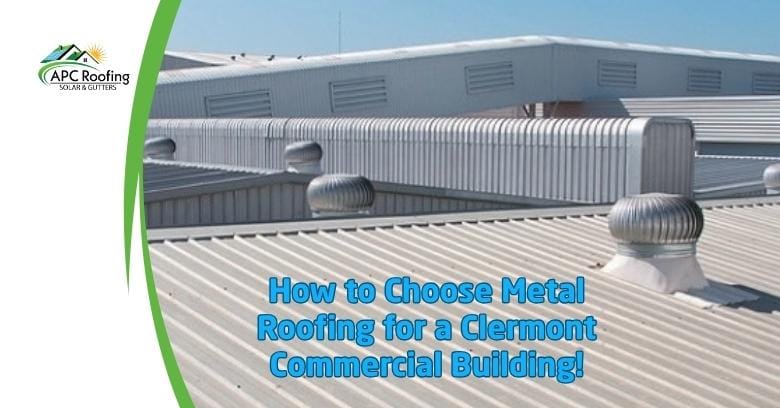
Metal sheets held by visible fasteners stay dry because of the gasket under each fastener, and a cracked washer gets replaced along with a fresh screw. Based on the house, tile may be mortar-set, foam-set or clipped directly, and the real water barrier is the underlayment, not the surface material.
A heavy step on an unsupported piece causes a crack, and a damaged unit gets lifted out and replaced with one of the same profile. On a low-slope section, standing water and open seams are the things to watch, and debris gets cleared from drains and scuppers.
Things an Owner Can Spot: a Checklist
- A buildup of shingle granules in the drainage, long after the covering was installed.
- Corners turned up across a slope, on planes that face the afternoon sun.
- A vent seal that has pulled loose, letting water run down into the attic.
- Paint blistering overhead after a storm, close to an outside wall or a chimney.
- Light glowing between the planks, beside a vent stack.
- Moss on a shaded slope, holding moisture against the surface.
- A bulge that catches the light at dusk, new since the previous year.
- Dried beads separating at a skylight, a sign that the tie-in needs attention.
Emergency Roofing in Denver Metro Area: What APC Roofing Does
Before any advice gets given, a roofer goes over the whole covering and the attic, and the report shows up as photographs and a clear written account. What is fine gets said as plainly as what needs attention, and the next step is left to the homeowner.
Emergency Roofing for Denver Metro Area Homes: a Full Look, Not a Guess
Get in touch at 720-902-6940 to schedule a visit to the property.
A Roof Timeline: Easy to Maintain
Noting when the covering went on, along with the brands used, is worth doing, and every yearly report can go into the same file. Tallying each repair, the location and the method, keeps things complete, and over time the pattern shows which areas keep needing attention.
When a house goes up for sale, a buyer's inspector asks about the roof, and a documented account settles the matter later. A duplicate set, saved to a phone or a drive, is worth making, since a spill or a move should not be able to wipe out everything.
Signs of a Job Done Right: Quality You Can See
The field reads as straight bands, with crisp cuts where each slope ends, and no fastener gets left exposed. The wall joints carry new flashing, tucked to match the way water runs, and any sealant appears sparing and neat.
The attic keeps intake and exhaust moving after the job, and the gutter runs finish straight and fastened. The yard gets swept with a magnet before the crew leaves, and a light scatter of sawdust near any cut line rinses off a walkway in seconds.
Anyone who came here searching for Emergency Roofing in Denver Metro Area does not have to keep guessing about next steps. Picking up the phone for APC Roofing at 720-902-6940 moves the scheduling forward. Every visit takes in the whole roof and the attic beneath, with nothing left unclear.