Your roof made it through another winter, or another June hailstorm, and nothing is dripping. But you haven’t had anyone look at it in years, the downspouts are spitting out grit, and you’re not sure if “no leak yet” means “fine.” Roof maintenance in Denver mostly comes down to catching small problems while they’re still small, and knowing which ones you can handle and which ones need a roofer.
It’s easy to put off. A roof you can’t see well from the yard doesn’t feel urgent until there’s a stain on the ceiling, and nobody wants a stranger on a ladder telling them they need a whole new roof. You deserve an honest read on what your roof needs, even when the answer is “nothing yet.”
APC Roofing is a GAF Certified contractor, licensed and insured, and roof inspections and estimates are free. Call 720-902-6940 and a roofer will look over the roof and the attic and tell you plainly what’s going on.
Roof maintenance in Denver starts with the weather
Colorado weather works on a roof from several directions, and most of the wear happens where you can’t see it.
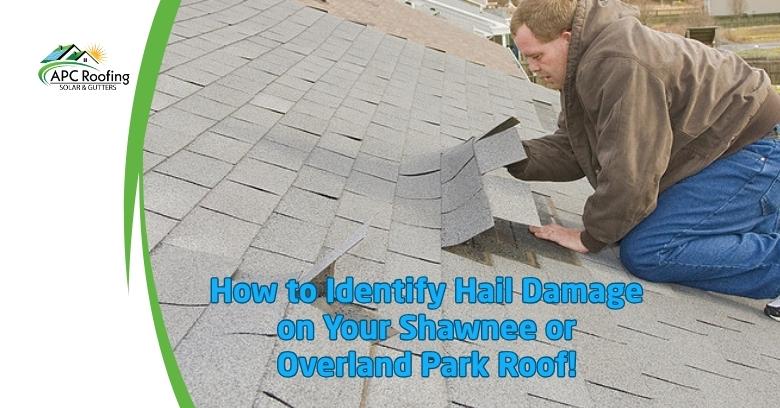
Hail is the obvious one. A storm along the Front Range can knock the granules off shingles, crack older ones and dent vents, flashing and gutters. Much of that damage is hard to spot from the ground. Granules shield the asphalt from sunlight, so a bruised shingle can keep aging faster for years after the storm has passed.
The sun is the quiet one. At a mile above sea level, UV is stronger than in most of the country. It dries out shingles, caulk and the rubber collars around plumbing vents, often well before the rest of the roof is worn.
Then there’s freeze-thaw. A sunny winter afternoon melts the snow, and the water refreezes after dark in the gutters and along the eaves. Night after night, that ice works into small gaps and pries them open. When ice builds up at the roof edge, meltwater behind it can back up under the shingles.
Wind finishes the list. Strong gusts lift shingle tabs and break the adhesive strip that holds them down, and a tab that has lifted once lifts more easily the next time.
What a roof maintenance check covers
Most roof trouble starts at the details, not in the middle of a slope. A proper check looks at:
- Shingles: missing, creased, curled or cracked tabs, plus bare spots where the granules have worn off
- Flashing: the metal at chimneys, walls and valleys, where a lot of leaks begin
- Pipe boots: rubber collars crack in the sun long before the shingles around them give out
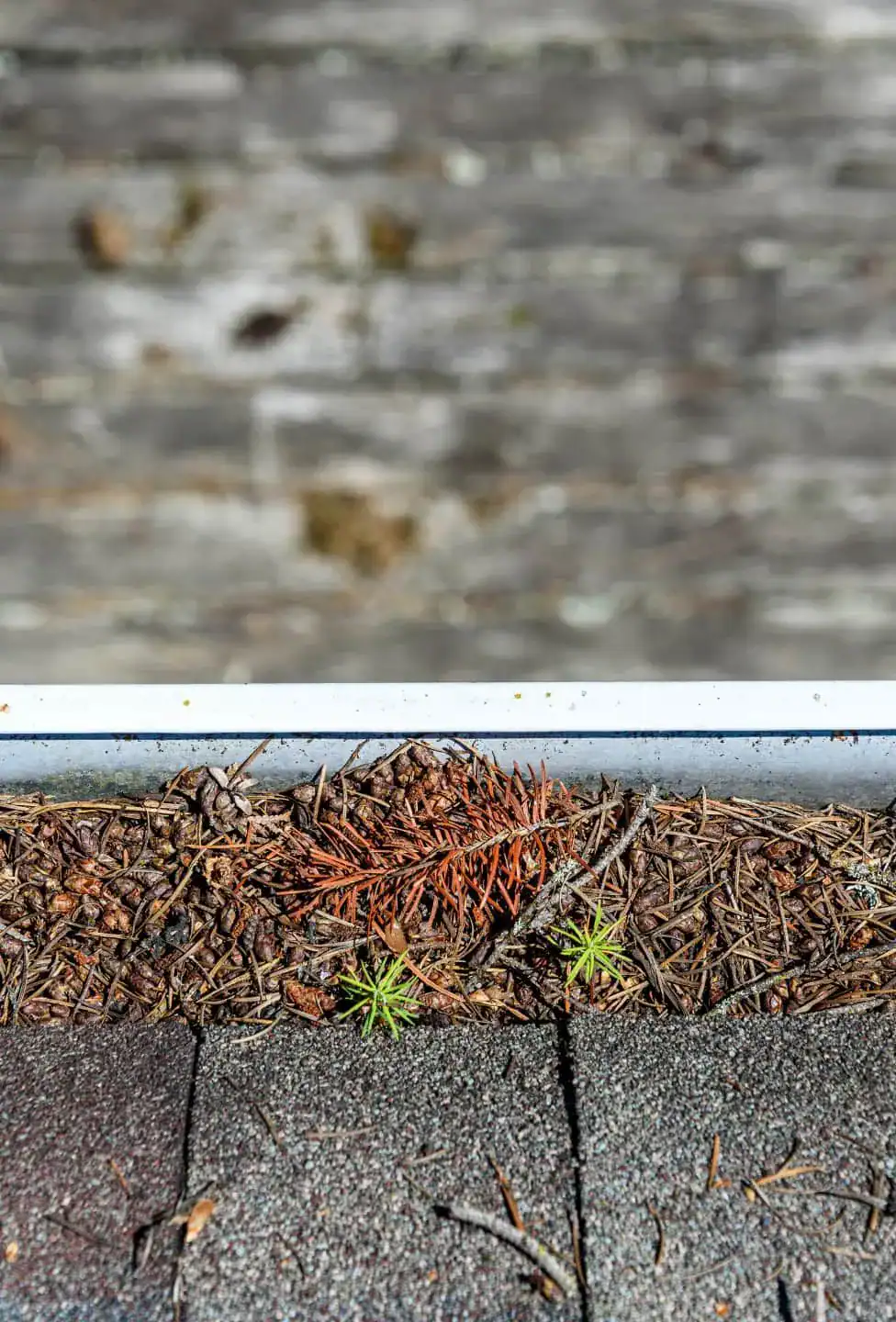
- Gutters and downspouts: clogs, sagging runs and loose hangers that let water spill against the fascia
- The attic: stains on the roof deck, damp insulation, daylight around a pipe, or frost on the nail tips in winter
The attic matters more than most people expect. Water can run along a rafter and show up on a ceiling several feet from where it got in, so the inside view often tells you more than the outside one.
What you can do from the ground
You don’t need to climb onto the roof to keep an eye on it, and it’s safer not to. Shingles get slick with frost or rain, and walking on them can cause damage of its own.
Here’s what you can do from the yard and the attic:
- After any big storm, look over each slope with binoculars for missing shingles or bent metal.
- Check the ground under your downspouts. A heavy pile of shingle granules after a hailstorm is worth a professional look.
- Clear your gutters in spring and again in fall, so meltwater and rain have somewhere to go.
- Trim branches that rub the roof or drop leaves and needles into the valleys.
- Take a flashlight into the attic a couple of times a year and look for stains or damp spots.
It also helps to keep a simple roof file. Write down the year the roof went on, the shingle brand and color, and any repairs with where they were made. When you sell the house or deal with a storm claim, that history answers a lot of questions fast.
When roof maintenance turns into a repair
Book an inspection if you notice any of these:
- A stain on a ceiling or wall, even a small one
- Shingles in the yard, or a patch of roof that looks a different color than the rest
- Light or drips in the attic
- Cracked or missing sealant around a chimney or pipe
- A hailstorm with stones big enough to dent a car or a metal mailbox
Many of the problems a check turns up are small fixes: a few replacement shingles, resealed flashing, a new pipe boot. If the roof needs more than that, you’ll see the photos and hear why. Our page on shingle roof repair in Denver explains what those repairs involve, and if a storm left damage behind, here’s how hail damage roof repair in Denver works.
Different roofs, different checkups
Most Denver homes have asphalt shingles, but if your house has another material, the things to watch change a little.
On a metal roof, look for fasteners that have backed out, worn rubber washers and dents deep enough to crack the paint. On a tile roof, cracked or slipped tiles are the visible sign, but the underlayment beneath the tile usually wears out first. A flat section over a porch or garage holds snow instead of shedding it, so check for water still standing a couple of days after a storm, lifted seams and clogged drains.
How it works with APC Roofing
- Book your free inspection. Call 720-902-6940 or request a free estimate online.
- Get a clear, honest assessment and estimate. You’ll see photos of the roof and the attic, hear what can wait and what shouldn’t, and get a written estimate for anything that needs work. Financing is available through Aqua Finance, Fortifi, Hearth and Home Run Finance.
- The work gets done and the site gets cleaned up. You’ll know the scope before anyone starts.
A cracked pipe boot is a small repair. Left alone through a wet spring, it can soak the insulation and stain the ceiling below, and then the job includes drywall and paint too.
Roof maintenance questions from Denver homeowners
How often should a Denver roof be checked?
Once a year is a good habit, plus a look after any hailstorm or major windstorm. Spring works well, after the freeze-thaw season and before hail season gets going.
If I keep my gutters clean, can I skip the rest?
Clean gutters help a lot, especially with ice at the eaves. They won’t tell you about a cracked pipe boot or lifted shingles, though, so the roof itself still needs a look now and then.
Is the roof inspection really free?
Yes. The inspection and the estimate are free, and there’s no obligation to hire us.
Does keeping up with maintenance help with insurance?
Insurers pay attention to a roof’s age and condition, and records of past inspections and repairs help show what shape the roof was in before a storm. If you do have storm damage, you file the claim and pay your deductible. We document the damage, provide the estimate and work with your adjuster.
Book a roof check in Denver
Call 720-902-6940 or book your free inspection online. You can also browse all of our roofing services in Denver.
The goal is a roof you’ve actually had looked at, a dry attic and no surprise bill next spring. Trust matters.