Looking for Corrugated Metal Roofing in Overland Park Kansas?
APC Roofing works on ribbed sheet and concealed-clip panels alike, for houses as well as workshops and barns.
Dial 913-398-5020 and someone who knows the trade will come out to take a look.
Sorting Out Types – Surface Clues
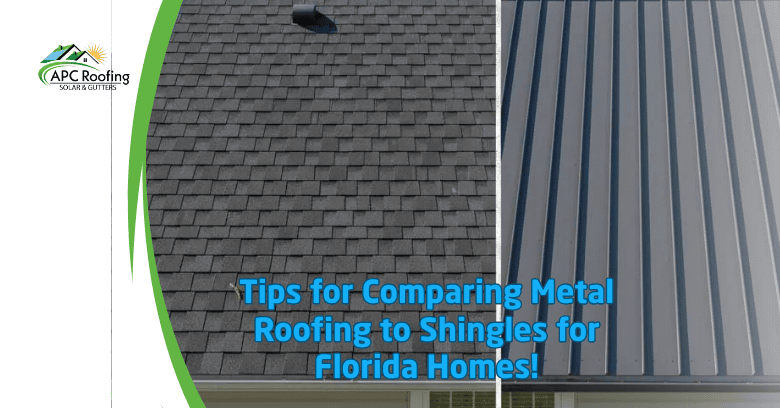
A corrugated or ribbed covering is secured with screws set through the metal, whereas standing seam relies on clips that sit under locked joints. Steel with a protective coating covers most houses that have metal, though aluminum and copper have a place too.
Seen from a sidewalk, dotted lines of screws signal an exposed-fastener system, and smooth pans between tall ribs with nothing poking through are standing seam. Outbuildings and porches lean toward ribbed or corrugated sheet, though a house can suit either.
The Cross-Section: Old Look, New Look
A corrugated sheet curves up and down in regular round waves, and a ribbed panel has trapezoid ribs separated by broad pans. One length rides over a neighbor at a side lap, and a maker's pattern says where screws go.
A squared profile resists bending and reaches further between purlins, and corrugated suits older buildings and a farmhouse look. On a big roof plane, taller ribs keep a downpour from spilling over side laps, and a shallow pattern is plenty for a small porch or shed.
Fasteners in the Open: Small Parts, Big Job
A single screw pins the metal firmly to framing below, and a sealing washer beneath each head closes a drilled hole. Years of sun and heat stiffen synthetic rubber until cracks form, long before the painted metal gives out.
Overdriving tears a washer and dishes the metal, and a shallow or off-square setting never seals fully.
Fastener Replacement: Scope and Limits
Every washer across a ribbed or corrugated field weathers at the same rate, and a whole-roof re-screw is routine over the years. Every existing fastener is removed, and a bigger diameter is driven in to grip where an old thread stripped.
Re-screwing with new washers fixes leaks at screw heads and snugs down sheets that flutter, but corrosion, parted laps and bad flashing are left as found. Thread type follows whatever support lies below, since lumber and steel purlins take different screws, and a factory color on every top suits most finishes.
A Covering in Motion: Why Slack Matters
A steel sheet grows in afternoon heat and shrinks back by dawn, and a forty-foot run can shift a quarter inch or more, while aluminum goes about twice as far. Where nothing lets a panel slide, the metal elongates screw holes, and a washer stops sealing.
Creaks as the day warms come from steel adjusting, and nothing is damaged where every detail allows for slack.
Beneath Raised Seams: Out of the Weather
Every lengthy pan is secured firmly in only one zone, while clips on every other section permit movement. A finishing piece at an opposite end has room built in underneath, while a pan fastened hard along every foot pulls loose or ripples.
Clips are screwed to the deck along one edge of every pan as work proceeds, and an adjacent pan then covers every anchor point.
Seam Styles – Suited to Pitch
A basic profile engages with a firm push along a full length, and heavier-duty versions are folded over by a motorized tool. A double-locked joint stands up to gales and to water sitting against the metal, and maker approvals cover shallower slopes.
Every product line has distinct spacing and rib size, and a choice depends on the home and a preferred style. Hardware and trim are sold for one system only, and a mismatch shows up as gaps and loose joints.
How Much Material Is Up There – Beyond Appearances
Coil for roofing is sold by gauge, and a smaller number means a thicker sheet. Farm structures often use twenty-nine, while houses often take twenty-six or twenty-four.
For aluminum, sheet is sized in thousandths, and more material means fewer marks and less waviness. A light grade and a heavy grade are indistinguishable from a driveway, so printed product data gives a firm answer.
Rust Resistance: What Lasts
Coil stock is dipped in molten zinc or an aluminum-zinc alloy, and a color coat is baked on afterward. A mark in a topcoat alone keeps steel protected, while a sheared edge or a deep gouge lets rust begin.
PVDF systems keep color and gloss for decades, and polyester families fade and chalk more quickly. Wet masonry corrodes aluminum-zinc coated sheet, and a barrier belongs wherever panels meet new stonework.
Which Metal Suits – Coast and Country
An aluminum panel is light and immune to red rust, though an impact leaves a deeper mark. At the coastal end of our territory, salt spray breaks down galvanized coatings faster, so a marine-rated system often goes up near a beach.
Copper usually goes on small accent roofs over bays and entries, and left unpainted, the metal darkens with age.
Mixing Metals: Separation Helps
Runoff from copper eats through coated steel downhill, and streaks appear years ahead of perforation. Chemicals in treated lumber pit any aluminum resting on top, and a mismatched fastener rusts quickly.
New flashing or trim has to match the metals already in place, or a strip of membrane goes between dissimilar metals.
Looks, Not Leaks: Setting Expectations
Oil canning means a slight bow in a wide stretch between seams, and raking light early or late in the day brings out each rise and fall. A panel that looks uneven sheds rain as well as a perfect sheet, and the roof lasts no less.
Stiffening ribs, a stouter grade and a smaller pan width lessen waves, and a smooth, straight base under the panels counts. Photographs of finished houses show how noticeable oil canning can be, and the choice of panel is yours.
Comfort Below: What Reaches Living Space
A racket many recall comes from sheet over open framing, since one thin layer is all that stands between sky and interior. A home has sheathing, a membrane and an insulated ceiling under steel panels, and occupants notice only a slight change from shingles.
A pale or cool-pigment coat sends much of the sun back, and the attic beneath stays cooler on a summer afternoon. A charcoal or black panel gets hot, and venting and insulation under the deck do as much for comfort as color. Panels cool fast at nightfall, and the attic below catches up before long.
Guards and Placement: Position Matters
At the colder end of our range, snow lets go of a metal surface easily, and a heavy sheet coming off in one piece can hurt a person or tear away a gutter. Retention bars keep a load up top to melt off gradually, and a doorway, walkway or meter below decides placement.
Standing seam takes clamp-on brackets that grip each rib without piercing the metal, while exposed-fastener sheet takes mounts screwed into framing, and where snowfall is rare, nothing is added.
Storm Marks: When Paint Cracks
Hail is a fact of life at the colder end of our service area, and panels with an impact rating are an option. A crease that cracks paint exposes bare metal to rust, while a seam or trim edge pushed out of line may open.
After a storm, we photograph and measure what we find, and each dent and damaged panel is located.
Holding On in a Gale: Layout Matters
Corners and borders see heavy suction, an open field much less, and once air slips under an unsecured edge, pressure can roll the metal up. Finish trim is hemmed and caught on a cleat, so a storm finds nothing to pry at.
Spacing shrinks where loads climb, at corners and a rim, following a maker's layout for a site's exposure. At the coastal end of our territory, hurricane country asks for more holding power still, and panel and hardware are rated as one assembly.
Penetrations – Careful Detailing
A pliable-based collar is shaped to fit a panel and clamped onto a pipe, and a level stretch, not a peak, is chosen for a hole. Square penetrations take a curb and a cricket on a high side, and water from higher up is divided and sent past.
Sealant finishes a joint already made watertight by folded metal, since the steel outlasts any compound many times over.
Channels Between Roof Planes: Made to Shed
Valley metal is laid before a single panel, and panels are trimmed on a diagonal to match. Ends are hemmed and held by cleats, and nothing pierces a channel that carries rain.
On a run too long for one sheet, an endlap joins pieces with sealant between, and fasteners through both thicknesses keep water from backing up.
Shallow Sections: Gentle Spots on a House
Most ribbed sheet is specified for about three in twelve or steeper, because on less, runoff lingers long enough to wick past laps. Mechanically seamed panels are approved much lower, and a few products go almost to flat.
Houses frequently include a porch or wing with a gentle roof, and a measured angle decides what goes on, and an area that metal cannot serve is given a membrane.
Support for the Roof – Purlins on Outbuildings
Metal on a dwelling is installed over full sheathing, and a synthetic sheet rated for heat is sandwiched between, as asphalt felt turns brittle up there. An outbuilding may have nothing but purlins under the metal, and distance between supports sets a minimum gauge.
Once an old covering comes off, spongy sheathing is found and swapped, as fasteners driven into mush pull straight out.
An Overlay – Grounds for Refusal
Where code allows, metal can be installed over one layer of shingles, so waste is kept out of a landfill. New steel adds well under two pounds per square foot, and typical framing carries a little extra easily. Furring strips and a new underlayment go down over existing shingles, and screws reach through into solid wood.
If the decking flexes, or earlier leaks show from the attic, the old roof comes off, since dampness sealed beneath panels goes on rotting structural lumber.
Finishing Pieces: Vented or Solid
Closure strips shaped to a panel profile plug hollows under every rib where a run starts and stops, and wind-driven rain, wasps and birds stay out. A ridge cap can be vented to let warm air escape or left solid, and attic ventilation is what decides.
A drip edge along an eave and trim on each rake complete a border, and fascia boards are kept out of runoff.
Care With the Metal – Carrying and Stepping
Standing seam panels are usually roll-formed to the full length of each slope, so no crosswise joint sits in the path of runoff. Carrying an extended panel takes people spaced along the metal, and a damaged pan is replaced, not flattened out.
A foot goes only in flats directly above supports, since a heel on a rib crushes a fold. Dew or rain makes coated steel as slick as glass, so the safest place for the household is indoors.
What Homeowners Can Spot: Easy to Notice
- Rust rings around screw heads, just above a gutter line.
- A row of lifted screws, by a peak.
- A peeled drip edge, following a gusty night.
- A boot pulled away from a pipe, over a kitchen.
- Rust creeping from a trimmed end, at the bottom of a run.
- Color gone patchy, on a sunny slope.
- A leak tracking one line of fasteners, down a hallway.
- A joint gaping open, near a valley.
How APC Roofing Takes On Corrugated Metal Roofing in Overland Park Kansas: Order of Work
Everything begins with identifying which panel system is installed and how the panels are fastened, before each fastener, edge, boot, valley and lap is read in sequence. Thickness, coating and hardware style go into notes, and the attic is searched for water marks.
Every finding goes into a report with images, and each recommendation carries reasons. Where a reseal will do, a reseal is what we propose, and a roof past saving is described plainly.
Corrugated Metal Roofing in Overland Park Kansas: A Careful Look
Dial 913-398-5020 and we will book a day that suits you.
Deciding on Scope: Piece by Piece
One badly damaged sheet can be swapped alone, though new metal looks brighter than weathered neighbors. Resealing a lap or replacing a boot stops a local leak, while a re-screw takes care of hardened washers.
Perforation across many panels means replacement, and a covering riddled with failed seams is no better off. One tired face of the house can be redone alone, as long as nothing else shows wear.
Longevity: Upkeep Over Time
A carefully installed panel system can pass forty years, and an estimate varies from house to house. Standing seam, with no holes through a pan, gets by on less maintenance, while through-fastened sheet needs a re-screw somewhere along the way.
Metals of different kinds touching, unhemmed cuts and sealant used in place of flashing shorten a roof's service, and regular inspection turns up faults while minor. Wet leaves left sitting on panels stain and dull a colored finish, and sweeping debris clear helps a finish.
Before deciding on Corrugated Metal Roofing in Overland Park Kansas, get hold of APC Roofing at 913-398-5020. Someone will climb up and read how the panels are attached, along with every edge and opening, and a written report puts options in front of you.
Verified

Verified
Verified
Verified
Verified