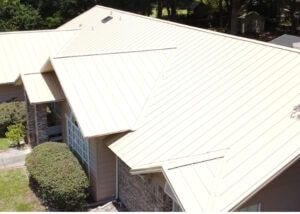
Water is dripping through the ceiling, maybe onto the carpet or the bed, and you’re grabbing every bucket and towel in the house. It might be a summer hailstorm, a windstorm that tore shingles loose or a winter thaw backing water up under the roof. You need emergency roof repair in Denver, and you need the person who shows up to find where the water is actually getting in, not just slap on a patch.
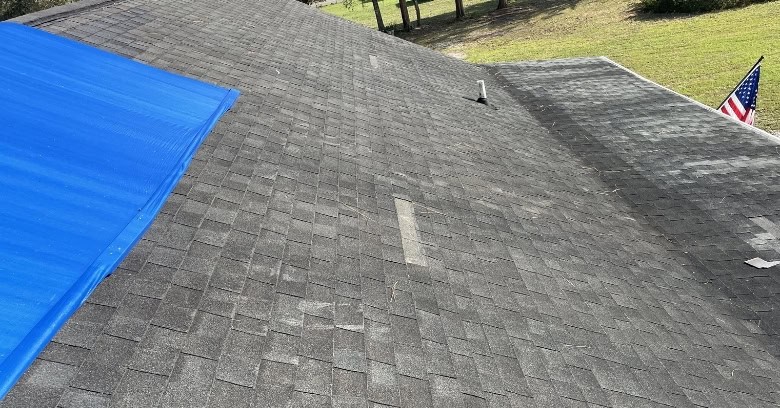
It’s a rough moment. You’re worried about the damage spreading, about the cost and about getting talked into more roof than you need while you’re stressed. Slow down for a minute. A leak is fixable, and the first steps are on your side of the ceiling.
APC Roofing is a GAF Certified roofing contractor, licensed and insured, and in business since 2017. We repair leaking and storm-damaged roofs across the Denver metro, and your inspection and estimate are free. Call 720-902-6940 and tell us what you’re seeing.
The first hour: protect the inside
- If a ceiling is bulging with water, keep people and pets out from under it.
- Shut off power at the breaker to any room where water is near lights, fans or outlets.
- Move what you can out of the way and catch the drip.
- Take photos of the damage inside and anything you can see on the roof from the ground.
Stay off the roof. It’s slick when it’s wet and worse when it’s icy, and no leak is worth a fall.
Where emergency leaks start on Denver-area roofs
Water rarely comes through the ceiling right under the opening. It can run along a rafter or across the top of the drywall for several feet before it drips, so the stain is only the end of the trail. Finding the real source means checking the likely spots above it.
Torn or missing shingles. Strong winds off the mountains lift shingle edges, break the seal strips and blow pieces off entirely, leaving the underlayment or bare wood exposed.
Flashing at walls and chimneys. Where the roof meets a wall or chimney, metal flashing directs water away. When it’s bent, loose or poorly sealed, rain runs straight behind it.
Pipe boots. The rubber collars around plumbing vents dry out and crack in the strong sun at altitude. They’re one of the most common leak sources on any roof.
Valleys. The channels where two roof slopes meet carry the most water, and a worn or damaged valley can leak fast in a heavy storm.
Hail and fallen limbs. Large hail can crack shingles or tile, and a falling branch can split the decking underneath even if the surface looks mostly intact.
Winter emergencies: ice dams and heavy snow
Some of the worst Denver-area leaks happen with no rain at all. Heat escaping from the house warms the roof and melts snow, and the meltwater refreezes when it reaches the colder eaves. That ridge of ice, called an ice dam, traps the next round of meltwater, which backs up under the shingles and into the walls and ceilings.
Heavy, wet spring snow can also overload gutters and pull them loose, or slide off in one sheet and take trim with it. If you see a ceiling stain near an outside wall after a snowstorm, an ice dam is a likely suspect.
Temporary cover, done right
The first job is stopping the water. A good temporary cover is a heavy tarp run over the ridge and fastened down with boards, with nails going only into the area that’s already damaged. Bricks or cinder blocks on a loose tarp rarely survive the next gusty afternoon and can damage the roof themselves.
In winter, the job might be clearing ice from a gutter line or opening a channel through an ice dam so water can drain. That’s careful work, because chopping at ice can tear shingles.
A temporary cover is just that. Left up for months, a tarp traps moisture and wears out the shingles underneath.
Then, the permanent repair
Once the weather allows, the damaged area gets fixed properly. That might mean replacing torn shingles, rebuilding flashing at a wall, swapping a cracked pipe boot or replacing soft decking. You’ll get photos of what was wrong and what was done. Our roof leak repair page covers the most common permanent fixes.
If the storm left damage across most of the roof, or the roof was already near the end of its life, patching may not be the best use of your money. In that case you’ll get a straight answer about a roof replacement instead.
Storm damage and insurance
Hail and wind damage is often covered by homeowners insurance. Your policy decides, and normal wear and age usually aren’t covered. If you file, you file the claim yourself and pay your own deductible. APC Roofing photographs and documents the damage, provides a written estimate and works with your adjuster. For more on wind specifically, see wind damage roof repair.
How it works with APC Roofing
- Call and book your free inspection. Call 720-902-6940 or request a free online estimate, and describe what’s happening inside and out.
- Get a clear, honest assessment and estimate. You’ll see photos, hear what needs to happen now and what can wait, and get a written estimate.
- The repair gets done and the site gets cleaned up. The crew fixes the roof and cleans up before leaving.
For larger repairs, financing is available through Aqua Finance, Fortifi, Hearth and Home Run Finance.
Emergency roof repair in Denver: your questions
Can a roof be repaired when it’s snowy or below freezing?
A temporary fix usually can. Permanent repairs depend on the materials, since shingle sealants and some flashing sealants need warmer temperatures to bond. A roofer can protect the roof now and finish the repair when conditions allow.
Why is my ceiling leaking when it hasn’t rained?
In winter, the usual cause is an ice dam backing snowmelt under the shingles. A plumbing leak or condensation in the attic can also look like a roof leak, which is why the source needs to be traced.
Should I call my insurance company or a roofer first?
Protect the inside of the house first. After that, a roofer’s inspection, photos and estimate are useful whether or not you decide to file. Your policy will tell you how and when to report damage.
What if my roof is too old to repair?
Sometimes a roof is past the point where patching helps. You’ll see the evidence and hear the options, from a short-term repair to a full replacement, and the choice is yours.
From a scary night to a sound roof
A leak that gets a quick cover and a proper fix stays a small problem. One that’s left alone spreads into insulation, drywall and framing.
Soon this will just be the night the ceiling dripped. The roof is sound, the house is dry, and you didn’t get surprised by the bill. Call 720-902-6940 to book your free inspection, or go back to all our Denver metro roofing services.