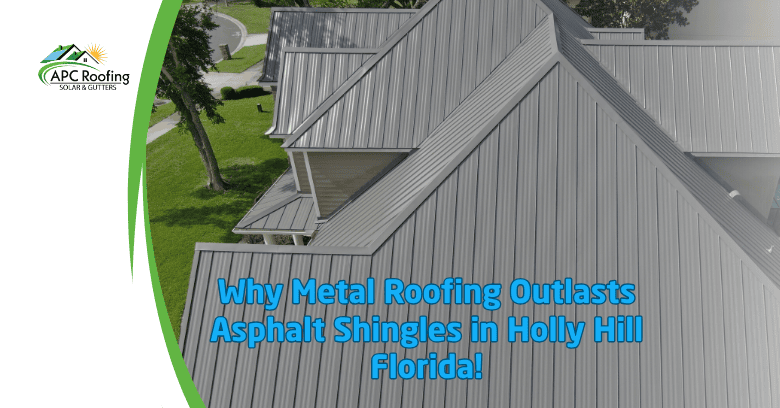
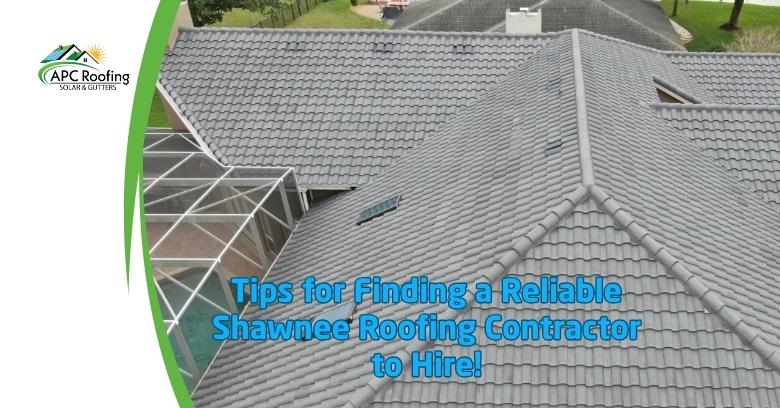
In Need of Metal Roof Repair Here in Denver Colorado?
APC Roofing builds and maintains coverings made of coated sheet and aluminum, across homes as well as sheds and barns.
Call us at 720-902-6940 and a roofer will look closely and explain plainly what is up there.
Which System Is Up There – A Glance Up
Screw-down panels, corrugated or ribbed, are fastened with screws through the exposed metal, whereas standing seam hangs on clips hidden under tall ribs. Coated steel is what the great majority of metal-roofed homes carry, while aluminum and copper account for a minority.
Screw heads marching in rows, easy to spot from below, point to exposed fasteners, while flat pans divided by upright folds with no hardware showing are standing seam. Barns, workshops and porches often wear corrugated or ribbed sheet, though a house can suit either.
The Cross-Section: Which Suits a Building
Corrugated goods swell and dip in gentle, repeating arcs, while ribbed panels carry squared ribs with wide flats between. Neighboring sheets overlap at a side edge by a single crest, and fastener placement follows a published pattern.
Ribs make a stiffer panel that crosses longer spans, and corrugated suits older buildings and a farmhouse look. On a big roof plane, taller ribs keep a downpour from spilling over side laps, whereas a short porch covering gets by with a low pattern.
Exposed Hardware: Every Detail Counts
Each screw draws a panel snug against a rafter or purlin, and a washer under each head keeps rain out. Ultraviolet light slowly bakes neoprene brittle, long before the painted metal gives out.
A screw set too tight crushes a washer out sideways, while too little pressure or a crooked angle leaves an opening.
Hardware Swaps: Worth Doing, With Limits
Rubber rings across a ribbed or corrugated field wear out together, and a whole-roof re-screw is routine over the years. Each original fastener is taken out, and a bigger diameter is driven in to grip where an old thread stripped.
Re-screwing with new washers fixes leaks at screw heads and snugs down sheets that flutter, but red rust, gaping laps and cracked flashing need other remedies. Screw length and thread are chosen for what sits below, wood or a steel purlin, and tops painted in a panel color keep new work from standing out.
A Covering in Motion: Oval Holes and Loose Seals
Sunshine stretches steel slightly and a chilly night pulls the metal back, and a longer run shifts farther still, while aluminum goes about twice as far. Metal held too rigidly wears fastener holes into slots, and washers then stop sealing.
Creaks as the day warms come from steel adjusting, and a careful installation suffers no damage.
Anchoring Standing Seam: Hidden Hardware
A long pan gets one fixed point, often near a ridge or an eave, while clips on every other section permit movement. At an unanchored end, trim is bent with clearance, while a pan fastened hard along every foot pulls loose or ripples.
Each pan is set in place, and clips are driven through into the deck along one side, and an adjacent pan then covers every anchor point.
Joint Styles: Which Suits the House
Some profiles snap together under hand pressure as each pan goes down, and mechanical versions are finished by a rolling tool. Double-lock construction resists uplift and ponding, and maker approvals cover shallower slopes.
Pan width and rib height vary from product to product, so the house and a preferred look guide a decision. Closures, clips and flashings match one panel only, and a substitute from elsewhere leaves gaps.
Choosing a Weight – Beyond Appearances
Steel thickness is given as a gauge, and numbers fall as sheet gets thicker. Pole buildings frequently carry twenty-nine, while a dwelling generally takes twenty-six or twenty-four.
For aluminum, sheet is sized in thousandths, and more material means fewer marks and less waviness. A view from below reveals nothing about grade, so a label on a bundle shows what was delivered.
Rust Resistance: Choosing a Finish
Steel for roofing is hot-dipped in zinc or an aluminum-zinc blend, and a baked primer goes on before a color coat. Scrapes confined to paint are harmless, whereas a gouge through to bare metal soon shows red.
PVDF systems keep color and gloss for decades, while polyester versions chalk and fade sooner. An aluminum-zinc surface is damaged by contact with fresh mortar, so metal and new brick are kept apart.
Choosing the Metal: Near the Water
Aluminum is lighter than steel and never forms red rust, but a soft sheet dents from smaller blows. Beside salt water at the coastal end of our range, protective layers wear away faster, and manufacturers set limits on how near a shoreline a product may go.
Copper usually goes on small accent roofs over bays and entries, and left unpainted, the metal darkens with age.
Metals That React – Isolation and Compatibility
Copper upslope of a steel covering sends corrosive runoff over the panels, and a stain shows up before a leak does. Aluminum on pressure-treated boards turns white and pits, and a mismatched fastener rusts quickly.
A new piece of flashing belongs in a metal that matches existing work, or a strip of membrane goes between dissimilar metals.
Looks, Not Leaks – Surface, Not Structure
In trade terms, oil canning describes soft ripples across a broad flat between seams, and a sun low in the sky exaggerates every contour. A panel that looks uneven sheds rain as well as a perfect sheet, and nothing shortens the life of the roof.
Striations, heavier stock and narrower pans keep rippling in check, and careful handling on a true deck makes a difference. Pictures of completed homes give a sense of how visible oil canning gets, and the choice of panel is yours.
Comfort Below: Noise and Heat
An outbuilding with bare framing under the metal makes a loud din in rain, because a single thin skin vibrates freely. A home has sheathing, a membrane and an insulated ceiling under steel panels, and occupants notice only a slight change from shingles.
Light tones and cool pigments bounce a large share of sunlight away, so the attic runs noticeably cooler. Dark finishes on metal get as hot as black shingles, and vents and insulation weigh as heavily as the choice of color. Within an hour of sundown, a metal covering is cool, and the attic below catches up before long.
Guard Rows – Only Where Needed
Across the colder end of our territory, snow does not cling to painted steel, and a heavy sheet coming off in one piece can hurt a person or tear away a gutter. Stops attached to the metal let a load leave slowly, and hardware sits over entries, paths and meters.
Standing seam takes clamp-on brackets that grip each rib without piercing the metal, while ribbed or corrugated sheet takes mounts driven into structure with sealing washers, and in our warmer markets a house goes without.
Blows From Above – A Record of What Happened
At the colder end of our range, hail arrives most years, and stouter panels with striations hold shape better. A strike sharp enough to break a finish lets rust start, and a trim piece pushed out of place can channel rain inside.
Following a storm, our roofer takes pictures and measurements, with every dent pinned to a location on the roof.
Storm-Ready Attachment: Built to a Pattern
Suction gathers along rakes and eaves, and an unfastened edge lets pressure build beneath. Finishing trim is hemmed and caught on a cleat for a whole run, leaving nothing for a storm to seize.
Spacing shrinks where loads climb, at corners and a rim, as manufacturer tables call for at each site. On the hurricane coast at the far end of our territory, fastening counts rise again, and products are chosen with a wind rating to match.
Vents and Stacks: Detail Work
A pliable-based collar is shaped to fit a panel and clamped onto a pipe, and a hole is cut in a flat, not through a seam. A chimney or skylight is built up on a curb with a cricket above, and runoff is parted to either flank.
A bead of sealant supports a properly formed detail rather than working alone, because sunlight dries and cracks sealing compounds within a few years.
Meeting Planes: Hooked and Clear
Valley metal is laid before a single panel, and sheets are cut on a diagonal to suit. Each raw end is hemmed back and hooked onto a cleat, so no hole sits where runoff gathers.
Long runs made of more than one piece get an endlap with sealant sandwiched inside, and fasteners through both thicknesses keep water from backing up.
Limits Near Flat: Where Locked Seams Help
Corrugated and ribbed sheet usually needs around three inches of rise in every foot, since anything less lets rain back up at overlaps. A mechanically locked seam can be installed far lower, and some products are allowed on nearly flat decks.
Many homes have a gentle stretch over a porch or a later addition, and we measure pitch on site, and where metal does not belong, a membrane does.
Substrate: Rot and Spacing
A house takes panels on a solid, continuous deck, and a high-temperature underlayment sits beneath the panels, as asphalt felt turns brittle up there. Sheds and barns often fasten directly to purlins, and distance between supports sets a minimum gauge.
Once an old covering comes off, spongy sheathing is found and swapped, because screws in decay have nothing to grip.
When the Old Roof Stays: Condition Decides
A single layer of shingles can usually remain under new metal, code permitting, and noise and a dumpster are avoided. At well under two pounds per square foot, steel is a light load, so reinforcement is rarely needed. An underlayment topped with a grid of furring strips goes over existing shingles, and screws reach through into solid wood.
A second layer already in place, soft decking or stains from past leaks mean a full tear-off, because a problem covered with steel keeps growing out of sight.
Small Parts at Edges: Vented or Solid
Strips cut to match a profile close off space under each rib at high and low points, and wind-driven rain, wasps and birds stay out. A ridge cap can be vented to let warm air escape or left solid, as existing ventilation requires.
Rake trim, drip edge and an apron into a gutter close off a roof's outline, so rain does not run down behind fascia.
Working at Height: Handling and Footing
A seamed panel comes off a forming machine cut to the length of a run, and nothing overlaps partway up. A long panel calls for several people spaced along the metal, and a pan that gets bent should not go on the roof.
On panels, a step belongs in a flat above a purlin or deck, because a raised joint dents and deforms under load. A damp or dew-covered pan gives a shoe nothing to hold, and nobody without a harness should go up.
Warning Signs – No Ladder Needed
- Rust rings around screw heads, just above a gutter line.
- Screws backed out of holes, at an eave.
- A peeled drip edge, above a porch.
- A collar gapping around a stack, by a bathroom fan.
- Red streaks at a raw end, along a rake.
- Uneven fading, on one panel more than on panels nearby.
- Spots on a ceiling in a row, down a hallway.
- A lap that has separated, where slopes meet.
How APC Roofing Tackles Metal Roof Repair in Denver Colorado: Our Routine
Everything begins with identifying which panel system is installed and how the panels are fastened, and then every screw or clip, edge, opening, valley and lap is checked. Gauge, finish and hardware are noted as we go, and a trip into the attic catches past leaks.
Findings come to you in a report with pictures, and every piece of advice comes with an explanation. When a small fix works, nobody pushes a bigger job, and a roof at the end of service life is named as such.
Metal Roof Repair for Property Owners in Denver Colorado – Details Read Closely
Reach us at 720-902-6940 and we will pick a time together for a visit.
Deciding on Scope: Piece by Piece
An individual rusted sheet can be unscrewed and exchanged, and a difference in shade stays visible. Replacing a cracked boot deals with water at a pipe, and new screws restore a roof full of aged seals.
Once red rust has eaten through large areas, patching no longer makes sense, and a covering riddled with failed seams is no better off. One tired face of the house can be redone alone, if everything else is sound.
Looking Down the Road: Watching Details
Coated steel put on properly often gives forty years or better, though any figure is an estimate, not a promise. Standing seam asks for less attention, with no hardware exposed, whereas exposed-fastener sheet needs a re-screw partway through.
Dissimilar metals, raw edges and sealant used instead of proper flashing wear out a covering ahead of schedule, and a visit now and then spots trouble early. Piles of leaves behind a chimney keep a patch of metal damp for days, so clearing debris away helps paint last.
Whenever Metal Roof Repair in Denver Colorado comes up, call APC Roofing at 720-902-6940. We will inspect all hardware, every edge and each penetration, and you get photographs, notes and a recommendation to consider.
Verified

Verified
Verified
Verified