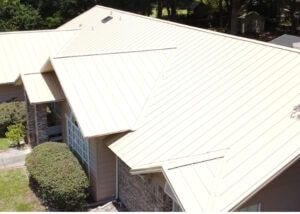
Maybe your tile roof has started leaking and you’ve been told the underlayment is shot. Maybe you’re building, or replacing a worn shingle roof, and you’ve fallen for the look of clay or concrete tile. Either way, tile roof installation in Denver is a big project, and you want to know it’ll be done right before you commit to it.
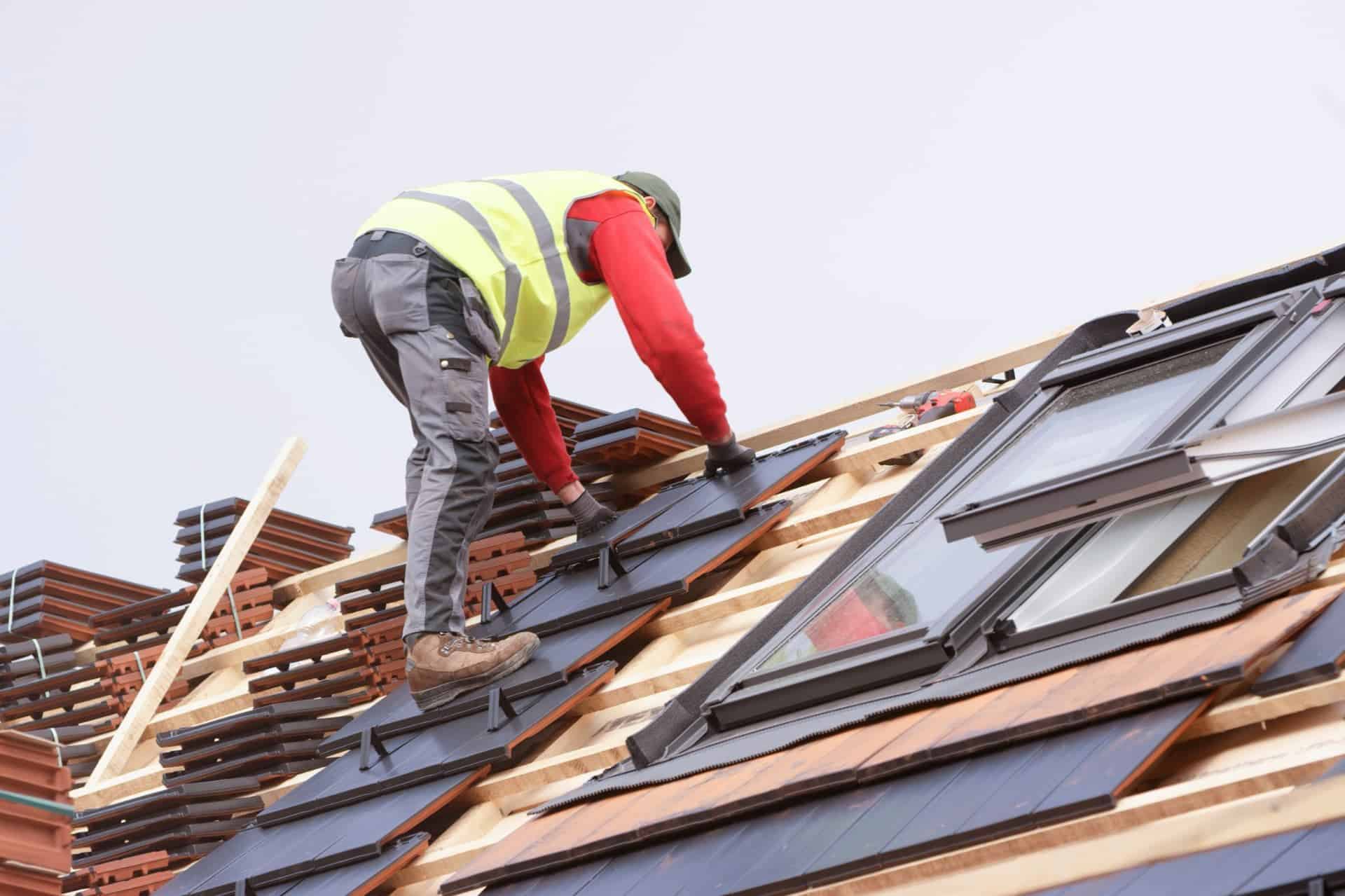
Tile is a long-term roof, and the work you can’t see decides how long it lasts. A tile job done in a hurry can look perfect from the street and leak within a few winters. You should know what goes into it before you sign.
APC Roofing has worked on roofs since 2017, including clay and concrete tile. We’re GAF Certified, licensed and insured, and your estimate is free. Call 720-902-6940 to have your roof measured.
Two kinds of tile roof installation
A new tile roof. This is a full installation on a new home, or on a house switching from shingles or another material to tile. It starts with the structure.
Re-laying an existing tile roof. If your tiles are still in good shape but the underlayment under them has worn out, the tiles can come off, get stacked on the roof or the ground, and go back on over new underlayment. Some tiles break along the way, so replacements need to match. Many leaking tile roofs need this rather than all-new tile.
Step one: can the house carry it?
Tile is much heavier than asphalt shingles. A home built for tile already has framing sized for it. A home switching from shingles may not. Before a new tile roof is planned, the framing has to be checked, and some homes need an engineer’s review or added support. Snow load matters here too, since wet spring snow adds weight on top of the tile.
What goes into a tile roof installation in Denver
The deck and underlayment
The deck is checked and repaired, then covered with underlayment rated for tile. This layer does the real waterproofing, so it’s worth asking any roofer exactly what they plan to use. Ice-and-water barrier along the eaves and valleys adds protection where ice dams and heavy runoff hit hardest.
Battens
On many tile roofs, wood or composite strips called battens are fastened across the slope, and the tiles hang on them. Battens help hold the tiles in position and leave a small gap for water to drain beneath them.
Fastening for wind and weather
Tiles are fastened with nails, screws, clips or foam adhesive, depending on the tile and the roof. Edge tiles, ridge tiles and tiles in high-wind areas get extra attention. Loose tiles are what wind lifts and what hail cracks more easily.
Flashing at walls, chimneys and valleys
Tile is thick and shaped, so flashing has to be formed to fit it. Valleys need metal channels wide enough to carry heavy runoff and snowmelt. This is where a rushed tile job usually fails.
Eaves and ridge
At the eaves, closures keep birds and debris out while still letting water drain. Along the ridge and hips, cap tiles are set and secured so they stay put in wind.
Clay or concrete tile for your Denver roof
Clay tile is fired, holds its color well and comes in barrel and flat styles. Concrete tile comes in many profiles and is usually less expensive. In a climate with freeze-thaw swings, it’s worth confirming that the tile you choose is suited to freezing weather. Our pages on clay tile roofing and concrete tile roofing cover each in more detail, and the Denver metro tile roofing page covers repairs and upkeep.
If your tile roof only needs a few cracked pieces replaced, start with our tile roof repair in Denver page instead.
Insurance after hail
If hail damaged your tile roof, the repair or replacement may be covered by your homeowner’s insurance. Your policy decides. You file the claim with your insurance company and pay your own deductible. We document the damage with photos, give you a written estimate and work with your adjuster. Be wary of anyone who offers to waive or cover your deductible.
How it works
- Book your free inspection. Call 720-902-6940 or request a free estimate online.
- Get a clear, honest assessment and estimate. We look at the tiles, the underlayment where we can see it and the structure, then give you a written estimate for a re-lay or a new tile roof. Financing is available through Aqua Finance, Fortifi, Hearth and Home Run Finance.
- Get your roof installed and the site cleaned up. Tile takes longer than shingles, and you’ll get a realistic schedule up front. The crew cleans up before leaving.
A worn-out underlayment under good tile is easy to ignore, since the roof still looks fine. Leaks that start there tend to show up first as stains and soft spots in the deck.
Tile roof installation questions
How long does a tile roof installation take?
Longer than a shingle roof, since every tile is set by hand and the flashing is custom-formed. You’ll get a schedule based on your roof’s size and shape.
Can you reuse my existing tiles?
Often, yes. If the tiles are sound, they can be removed and re-laid over new underlayment, with broken pieces replaced.
Can I put tile on a house that has shingles now?
Sometimes. That comes down to whether the framing can carry the extra weight, which is checked before anything else.
Is a tile roof a good choice for Denver?
It can be, with the right tile and a careful installation. Hail can crack tile, and freeze-thaw cycles are hard on tile that absorbs water, so the choice of tile and the work underneath matter.
A tile roof built to last
Call 720-902-6940 or book your free estimate online. You’ll know whether your roof needs a re-lay or a new installation, what the structure can handle and what’s going underneath. Then you get the roof you wanted, built so the parts you can’t see hold up as well as the parts you can.