Weighing 3-Tab Shingle Roofing Anywhere in Denver Metro Area?
APC Roofing lays new courses of strip and laminated products on houses, garages and sheds.
Dial 720-902-6940 and the findings are explained without jargon.
How the Pieces Are Made: The Makeup Explained
Each shingle is built on a fiberglass mat for strength, while an asphalt coating keeps water out, and stone granules pressed into the upper face block sunlight.
Two lines that appear matched may be put together quite differently, and extra material usually means longer wear. A swatch offers the look and nothing more, while the maker's data sheet lists wind and impact ratings.
Comparing the Styles: Appearance and Build
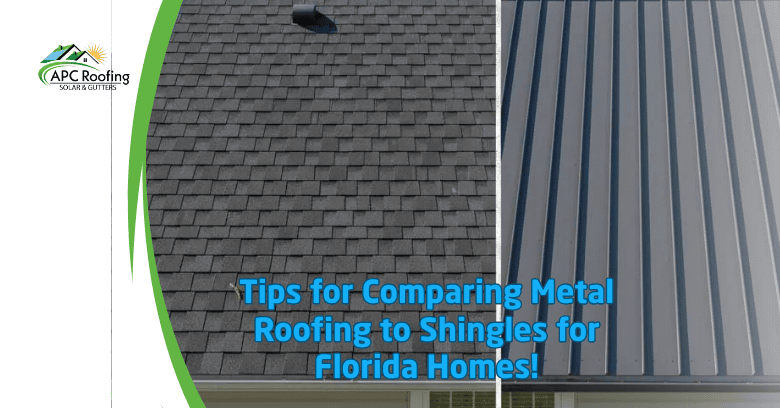
A three-tab shingle is one thin layer with two slots cut into its lower half, and a slope covered this way shows even, repeating rows. An architectural product bonds a contoured upper strip to a solid backer, and the covering appears textured and shadowed.
A laminated bundle holds considerably more asphalt than a strip bundle, and published wind ratings are commonly higher as a result. Fasteners on an architectural shingle must catch the overlap of both plies, and most manufacturers print guide lines there.
The Case for Strip Shingles – Practical Niches
Little outbuildings and back porches are typical spots for three-tab, and an addition can blend with an older covering of that type. Many manufacturers have narrowed their ranges of that style, and discontinued hues cannot be ordered at all.
Laminated shingles hide small dips in an older deck better, whereas straight single-ply lines reveal each flaw. Either profile sits on the same underlayment and flashings, while the shingle alone sets the two apart.
Aging of the Top Coat – Normal or Worrying
A freshly laid covering releases surplus grains during its opening months, and that shedding is expected. A steady stream of grit from an aging covering shows the top layer is going, and the naked asphalt goes on to crack.
The sunniest exposures are the southern and western sides, and dull patches gather there.
Sealant Lines – Wind Resistance
A narrow glue stripe runs across every shingle, and on a hot day it softens and grips the row laid over it. Adhered courses keep their bottom edges down in a gust, but nails remain the main fastening for the life of the covering.
During cold stretches at the colder end of our territory, sealing is delayed, and strong wind may raise tabs in the meantime. Makers' directions cover this with cement placed by the installer, and a printed diagram marks the spots and their spacing.
Placement on the Shingle: Tools and Technique
Roofing nails go into a narrow band marked by the manufacturer, where each shank pins the row below as well. The basic schedule calls for four fasteners on each shingle, while a bundle wrapper asks for six on very steep or wind-exposed jobs.
Nails placed high skip the course below, a head pounded too far breaks the mat, and a cocked shank raises a hump in the shingle overhead. Every wind rating on a wrapper presumes the pattern was met, while a bad compressor setting repeats itself on every shot.
The Wood Below: Types and Condition
The deck under asphalt shingles is usually plywood or OSB, since shanks need continuous solid material to stay put. Houses built for wooden shakes often have gaps between their deck boards, and full sheathing is added on top before any shingles.
A tear-off exposes spongy or rotten areas, which are removed and replaced, because fasteners in decayed stock work free. A little clearance is kept at every panel seam, as boards butted tightly lift into ridges when they absorb moisture.
The Middle Layer: Felt or Synthetic
The deck gets a water-resistant membrane before shingles are laid, and it goes on in overlapping runs starting at the eave. Asphalt felt is less common now that synthetic sheet has taken hold, because the newer product weighs less, tears less easily and lies flatter.
Water blown under a lifted tab runs down the membrane to the gutter, but it was never designed to serve as the only covering.
Guarding Against Ice Dams – Around Every Shank
At the colder end of our territory, a heated attic thaws rooftop snow, and a frozen band builds along the chilly lower edge. Pooled water behind the obstruction travels uphill under the courses, and standard felt or synthetic sheet does not close around the nails.
Where cold winters bring ice dams, a sticky rubberized barrier is applied at the eaves, and it extends upslope beyond the point directly above the heated interior. Everywhere in our territory, it is also a regular choice for valleys and around chimneys, since runoff lingers at every such detail.
Where the Deck Ends – A Code Item
Every eave and rake gets a formed strip of metal, and the lip carries water clear of the fascia. The underlayment covers the lower flashing, while on the gable ends the sequence is flipped.
Edge metal around the whole perimeter is a code requirement in many towns, because runoff can cling and curl back toward the wood.
Beginning at the Gutter – No Substitutes
A starter strip goes down beneath the first visible course, and its glue stripe sits at the extreme outer margin. Flipping an ordinary piece around keeps the adhesive away from where it is needed, so nothing but nails holds the lowest border down.
A starter run along each rake is common practice under current instructions, because wind catches the outer margins along with the eaves.
Drainage Between Planes – Methods Compared
A valley can be built open, with a metal channel left exposed down its center, and the closed-cut type carries one side's courses through while the other side is cut back. Woven work alternates rows from the two planes and suits three-tab, though dimensional shingles rarely take to it because of their bulk.
Installers keep nails several inches back from the centerline, while a self-sealing sheet runs beneath from top to bottom. Collected leaves and twigs slow the flow and keep the surface wet, and heavy rain can then spill sideways under the edges.
Masonry Connections – Frequent Leak Points
Every course that meets a wall gets its own folded step flashing, and siding or counterflashing laps down over its upright leg. Where the eave stops against the house, a kickout diverter goes in, and skipping it sends water into the studs.
Masonry chimneys take a base apron, side step flashing and counterflashing grooved into the joints, and a broad stack calls for a saddle upslope.
Through-Roof Vents – Upkeep Notes
Every pipe boot pairs a flat base of metal or plastic with a snug neoprene collar, and years of sun leave the seal brittle and split. Shingles uphill cover the top of the flange, and water running down the slope passes over the exposed lower part.
A cracked collar is common on a covering that is otherwise sound, so a full reshingling normally includes fresh boots.
Where Slopes Crest: Homemade Shortcuts
Each hip and the ridge get a row of cap shingles across the joint, and makers of two-ply lines sell a purpose-built companion. Improvised pieces from cut tabs are lighter and thinner, and at the colder end of our territory a freeze can open splits along the bend.
A ridge vent often runs beneath the cap row, so the nails must be long enough to pass through it and bite the sheathing.
Circulation Upstairs: Balance
Fresh air is meant to enter low through soffit vents, while an exhaust at the peak lets it escape. Loose-fill insulation piled into the corners can smother the flow, and baffles stapled between rafters maintain a clear lane.
Without airflow, an attic bakes the boards from below, and it also holds moisture rising from the house. At the colder end of our territory, frost can coat every protruding nail, and the melt soaks the insulation by afternoon. Adding a fan to an attic that already has a ridge vent can reverse the intended path, because suction then draws from the nearest opening instead of the soffits.
Local Extremes: Wind, Sun and Winter
Our service area stretches from high plains to subtropical towns, and asphalt meets a different set of stresses in each. At the coastal end of our territory, hurricanes bring spells of fierce wind, and makers publish a tougher fastening pattern for that exposure. Months of intense sunshine slowly bake the binder, while damp air in the humid markets feeds algae.
At the colder end of our territory, water that seeps into a crack freezes and widens it, and heavy snow adds weight on top of that.
Stones Out of a Thunderhead: Surface and Below
At the colder end of our territory, big hail visits many neighborhoods, and impact-resistant lines exist for exactly that. A strike strips the coating from a spot about the size of the stone, and a violent one can split the reinforcement beneath.
The impact class on a bundle comes from a standard drop test with steel balls, and a higher grade means passing a tougher trial. Certain makers blend a rubbery polymer into the coating, and that mix stays flexible in the cold.
Blowing Weather – The Damage Done
Suction pulls hardest along the eaves, the rakes and the corners of a roof, and a shingle whose seal has let go starts to flap. A tab bent far back keeps a mark along the fold, and the mat never regains its strength along that line. A piece in that state is swapped out, but one that lifted cleanly can be stuck back down.
Where a tab has blown away, the underlayment beneath lies open to the sun, and ultraviolet light breaks that layer down quickly.
Stains and Green Growth – Cleaning Without Harm
Black lines trailing down a slope are usually algae, and it feeds on limestone filler in the shingle. At the humid end of our territory, shaded north-facing roof planes grow it fastest, though the color change is mainly cosmetic.
Moss matters more, since it keeps the courses damp, and as clumps thicken they wedge the tabs upward. High-pressure spraying rips the grit away with the growth, so a light misting of a purpose-made solution is used instead. Algae-resistant designs mix copper into the surface, and a zinc strip near the crest slows the streaks' return.
What the Color Changes: Beyond Looks
Darker shingles get noticeably hotter under a midday sun, while pale ones stay cooler. Certain companies make granules designed to scatter infrared rays, and a measured reflectance number comes with them.
Shingles from separate production runs may not match exactly, so maker directions say to draw from more than one bundle at a time. Multicolored designs keep slight differences from showing, while a solid, even finish reveals them more readily.
Getting Up There: Care Underfoot
Midday sun softens the surface noticeably, so a shoe sole scrapes away grit. At the colder end of our territory, icy mornings leave the tabs ready to crack underfoot, and a skin of frost leaves the pitch slick.
Keeping both feet in the yard is safer for an owner, and a good pair of field glasses picks up loose or missing pieces.
Re-Covering Without a Tear-Off – Weight and Nails
A re-roof over a prior roof is legal in many towns, though not where two are already down or the sheathing is soft. With the old shingles left where they are, the decking is never exposed, so any weakened patch gets buried under the added courses.
An uneven base gives the new shingles a wavy face, while aging flashing frequently stays put. A second layer's load sits on framing chosen decades ago, while the fasteners need more length to bite into the boards.
Early Warnings: Outside and In
- Granules pile up in the gutters, and the heaps come back after each cleaning.
- Gaps appear where pieces have blown off, which tells you the glue line failed.
- Bottom corners curl upward, which happens as the oils bake out.
- Tabs show fine breaks from edge to edge, and the layer below begins to soak up water.
- Shiny black spots stand out against the color around them, because the granules there are gone.
- The seal around a plumbing stack has cracked, and drips may reach the ceiling below.
- Counterflashing at a chimney has worked out of its joint, and gusts can push weather in behind it.
- A brown ring shows on a ceiling, even though the leak may start far from the spot.
APC Roofing and 3-Tab Shingle Roofing in Denver Metro Area: What to Expect
An inspection starts by walking each slope in turn, and the details at every valley, vent, flashing and edge are read. Inside, the attic is checked for stains and daylight, and darkened boards on the underside show past leaks.
Every fault is photographed, and damaged areas are measured. The results are put in writing in everyday words, and each recommendation carries its reasons. A minor job is presented as minor, and a tired covering is spoken of honestly. The choice is the owner's, from a single repair to a full replacement.
3-Tab Shingle Roofing Across Denver Metro Area – Help From People Who Know the Details
Call us at 720-902-6940 to book a time.
Small Fixes and Full Jobs: Brittle Material
A cracked boot, loose flashing or a handful of torn tabs is routine repair work, while everything else on the slope remains. Fresh shingles stand out against faded neighbors at first, and the tone that went on years ago may be out of production.
Old shingles snap when they are bent up to free a fastener, so the pieces beside the work may need to come out too. Once wear like that reaches across the covering, repairs no longer hold for long.
Expected Service Life: Extending the Span
On three-tab, fifteen to twenty years is normal, while architectural lines can go well beyond that. Attic airflow, sun exposure and the quality of the nailing move that figure, while a hard storm can override every estimate.
Seals around pipes and walls benefit from a periodic check, as prompt fixes keep water out of the wood.
For a roofer's view of 3-Tab Shingle Roofing in Denver Metro Area, call APC Roofing at 720-902-6940. Every slope, edge and flashing gets a close look, and you get the findings in writing and choose.