Considering Shingle Roof Installation Anywhere in Denver Metro Area?
APC Roofing lays new courses of strip and laminated products, from a small cottage to a large two-story house.
Phone 720-902-6940 and the findings are explained without jargon.
Components and Construction – a Closer View
A fiberglass mat gives each shingle its strength, and a saturant of asphalt seals out rain, and mineral granules across the top guard against sun damage.
Products that seem alike from the driveway can vary a good deal underneath, and added mass tends to buy durability. A swatch offers the look and nothing more, while a technical sheet sets out performance figures.
Strip Versus Laminated: The Practical Contrast
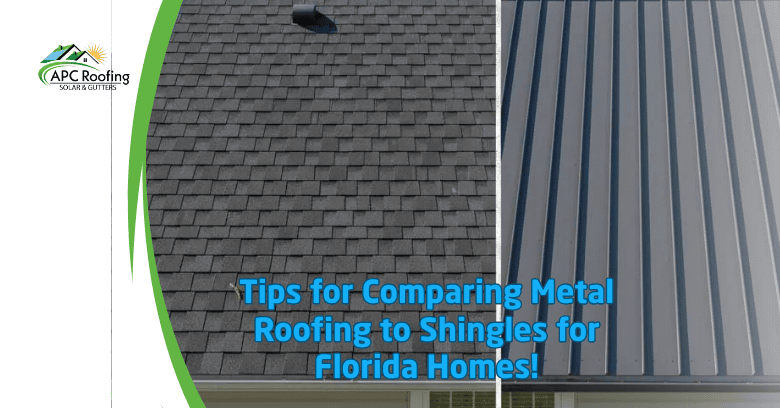
A three-tab shingle is one thin layer with two slots cut into its lower half, so the surface shows neat uniform lines. Architectural shingles join a full base ply to a shaped upper one, and the offset design reads as depth from the street.
Laminated products carry more asphalt and weigh more per square, and published wind ratings are commonly higher as a result. Fasteners on an architectural shingle must catch the overlap of both plies, and a wrapper diagram shows the exact position.
Strip Products in Use: A Narrow Niche
Outbuildings and porches are frequent homes for three-tab, while a repair on an older house of that type stays uniform. Many manufacturers have narrowed their ranges of that style, and discontinued hues cannot be ordered at all.
Laminated shingles hide small dips in an older deck better, while a thin strip follows every undulation. The two styles share the same underlayment and edge metal, so the difference lives entirely in the top layer.
Mineral Grit and Aging: New Versus Worn
Shingles fresh from the bundle drop leftover grains in their opening months, and the amount tapers off quickly. Thick deposits of grit below an old covering show that its surface is worn, and the naked asphalt goes on to crack.
Planes aimed south or west receive the harshest sun, and bald spots usually show up there ahead of the rest.
Sealant Lines: Early Weeks
A narrow glue stripe runs across every shingle, and on a hot day it softens and grips the row laid over it. Once the courses are stuck together, gusts struggle to lift the exposed edges, and the nails stay just as essential for as many years as the covering lasts.
At the colder end of our territory, a covering installed in freezing temperatures can wait months to bond, and wind can peel back the tabs before then. Dabs of asphalt cement applied by the installer are what makers specify in that case, and each bundle label marks the right locations.
Attachment Basics – Why Accuracy Counts
Roofing nails go into a narrow band marked by the manufacturer, where each shank pins the row below as well. A standard shingle gets four fasteners, and high-wind or steep work moves the number to six.
A high nail catches only a single layer, a head pounded too far breaks the mat, and a slanted shank lifts the shingle laid over it. The wind resistance stated on the package depends on the specified pattern, and an out-of-adjustment tool spreads one error across a whole face.
What Supports the Covering – Replacing Weak Sections
The deck under asphalt shingles is usually plywood or OSB, since shanks need continuous solid material to stay put. Older houses sometimes keep the gapped boards once used under shakes, and new sheathing bridges them before any shingles.
During a tear-off, weak or water-damaged pieces are swapped for sound ones, because nails in weakened material back out over time. Adjacent sheets are spaced slightly apart at their edges, because swelling in damp seasons buckles anything laid too tight.
A Backup Barrier: Felt or Synthetic
The deck gets a water-resistant membrane before shingles are laid, and its runs are lapped so water flows over each joint. Synthetic sheet has largely replaced asphalt-saturated felt, because the replacement is lighter to carry and harder to rip.
Rain that gets past a damaged shingle drains across the membrane rather than into the deck, though sunlight breaks it down if it stays exposed too long.
Ice Dams at the Overhang: Seasonal Detail
Across the colder end of our territory, snow over a warm attic turns to water, and meltwater freezes solid at the unheated edge. Standing water behind the buildup finds its way beneath the shingles, and regular underlayment offers no seal where nails penetrate.
A self-sealing ice barrier goes down along the bottom of each slope where winters freeze, and it is carried upslope far enough to clear the heated part of the house. Across every part of our service area, valleys and skylight curbs frequently get it too, because those junctions carry heavy flow.
Finishing the Borders: Under and Over
A metal drip edge wraps the eaves and the rakes, so rain falls free beyond the woodwork. At the bottom of the roof, the flashing goes beneath the underlayment, whereas up the gable the sequence runs backward.
Codes across much of the country list edge metal as required on every perimeter of the covering, and without it water curls back under the shingles and soaks the deck.
The Lowest Row: A Common Shortcut
Under the first visible course lies a starter strip, and its glue stripe sits at the extreme outer margin. A rotated field piece strands the adhesive several inches up, and the tabs at the low border are held only by nails.
A starter run along each rake is common practice under current instructions, because suction acts along the outer rims.
The Low Seams – Methods Compared
An open valley shows a strip of metal running down the crease, while the closed-cut type runs shingles from one side across and trims the other side along a chalk line. Interlacing rows from each plane suits single-layer products, but most laminated shingles are too stiff for that.
Fasteners stay out of the center of the channel, while a self-sealing sheet runs beneath from top to bottom. Debris packed into a valley stays damp long after rain ends, which can push rain beneath the trimmed shingles.
Tie-Ins to the Structure: Water Shedding Order
An individual step flashing, one to a course, climbs beside a wall, and a counterflashing or trim board covers the raised leg. An angled kickout sits at the foot of the house face, since water left alone tracks into the sheathing.
Chimney flashing combines a front apron, side steps and counterflashing cut into the brick joints, and a broad stack calls for a saddle upslope.
Roof Penetrations: Wear Over Time
A typical boot is a metal or plastic plate carrying a flexible collar that grips the pipe, and years of sun leave the seal brittle and split. The top portion of the flange goes under the uphill shingles, so runoff flows across the downhill side instead of under it.
Collars frequently need attention while the rest of the covering is healthy, and new boots are standard whenever the shingles are replaced.
Finishing the Apex: Homemade Shortcuts
Cap shingles straddle the ridge and run down every hip, and laminated work calls for the maker's coordinated accessory. Homemade substitutes trimmed from three-tab carry less material, and on frigid days at the colder end of our territory the crease may crack.
A continuous ridge vent frequently lies under the cap row, so longer fasteners go through it to anchor in the decking.
Attic Airflow: Common Problems
Intake openings in the soffits let cool air in near the bottom, and a ridge exhaust lets it out. Blown fill crowding the corners can cut off movement, so baffles are installed to keep a clear gap.
An attic with poor airflow runs hot under the decking, and moisture from the living areas lingers up there. At the colder end of our territory, frost gathers on exposed nail points on a freezing night, and the thaw sends droplets onto the ceiling. Mixing a ridge vent with gable louvers or a powered fan can short-circuit the flow, which leaves the eaves without movement.
Local Extremes – Storms and Algae
The area we serve spans cold, dry high country and warm, wet flatlands, and asphalt meets a different set of stresses in each. At the coastal end of our territory, hurricanes bring hours of sustained wind, so manufacturers list a high-wind nailing schedule. Constant heat pushes the lighter oils out of the asphalt, and moist air lets algae take hold.
At the colder end of our territory, repeated freezing opens small splits further, while deep snow loads the deck for weeks.
Pelting From Above: What a Strike Does
At the colder end of our territory, hail falls in many storm seasons, so shingles designed to resist impact are widely sold. A strike scatters the grit from a small round area, and a heavy blow may fracture the fiberglass below.
The impact class on a bundle comes from a standard drop test with steel balls, and a higher grade means passing a tougher trial. Rubber-modified asphalt is common in these designs, and the extra give absorbs part of each blow.
Wind on Asphalt: Folded Tabs
Force builds most at the eaves, the rakes and each corner, and a loose shingle rises and slaps back down. Bent up past a certain point, a tab takes a crease across it, and it is liable to tear off later. Shingles harmed that way come out and new ones go in, while a loose but unharmed one takes a few dabs of cement.
A missing tab leaves bare underlayment facing the sky, and rain then has only that thin layer to get past.
Growth on the Surface: Shade and Damp
Blackish trails are colonies of algae, and it thrives on the limestone mixed into the asphalt. Shady, slow-drying planes at the humid end of our territory tend to go dark soonest, though the staining does little harm on its own.
Moss poses a real threat, as it traps moisture against the courses, and as it creeps it breaks the tabs' seal. Power washing tears granules loose as it goes, so a gentle rinse with a cleaner made for roofing is the safer route. Some lines carry copper in the top layer to resist algae, while rain running over a zinc band near the ridge holds the stain back.
Choosing a Color – Matching Bundles
Dark shingles soak up more sunlight and run hotter, while a light gray or tan stays cooler. Some product lines use specially coated granules that turn back more radiation, and a reflectance rating appears on the data sheet.
Stock can vary from one production lot to another, and makers advise mixing bundles across a slope. Blended colors, with many tones on each piece, hide those minor differences, whereas single-shade shingles make them easier to spot.
Walking on Asphalt – Frost and Footing
A sun-baked covering loses its firmness, and every tread grinds granules loose. At the colder end of our territory, a course stiff with cold can break under weight, while frost at dawn makes the footing treacherous.
Staying down below is wiser for a homeowner, and a good pair of field glasses picks up loose or missing pieces.
Covering What Is There: The Deck Question
Local regulations commonly accept an overlay over an old roof, as long as there are not already two and the base is sound. The current shingles stay on top of the decking throughout the job, and damaged sheets end up sealed beneath the added material.
Irregularities beneath carry up into the finished roof, and step and valley metal commonly remains in service. A doubled covering rests on structure never meant for that weight, and the nails have to be long enough to pass through both into the deck.
Things That Turn Up: A Homeowner's Guide
- Coarse granules wash onto the splash blocks, and more arrives after every heavy rain.
- Gaps appear where pieces have blown off, so wind has broken the bond.
- Shingle ends lift into curls, and the asphalt is drying out.
- Splits open across the middle of a tab, and the layer below begins to soak up water.
- Some spots look dull and flat, where the stone coating has worn off.
- A rubber collar around a vent pipe has split, and rain slips through into the house.
- A strip of flashing at a dormer is rattling free, which lets wind-driven rain in behind it.
- Paint bubbles on a top-floor ceiling, though the entry is often some distance off.
How APC Roofing Goes About Shingle Roof Installation in Denver Metro Area – Plain and Careful
Every slope is walked first during an inspection, taking in the valleys, the vents, the flashings and the edges. Inside the house, the attic is searched for stains and daylight, and the underside of the deck shows where water has been.
Any problem is photographed, and the extent is measured. A plain written account follows, and each suggestion is explained. A minor job is presented as minor, and a failing covering is not dressed up. The final say rests with the owner, including the option of doing nothing for now.
Shingle Roof Installation Across Denver Metro Area: Findings in Plain Words
Reach us at 720-902-6940 to arrange a visit.
Keep or Tear Off – Reading the Signs
Changing a boot, resealing a flashing or swapping a few torn tabs is everyday repair work, and the remaining shingles are untouched. Fresh shingles stand out against faded neighbors at first, while the exact style may no longer be made.
Brittle tabs on an older roof tear when lifted, so a small job can spread to the pieces next to it. If hard, curled courses run from eave to ridge, a patch simply moves the problem along.
Time on the House – Early Endings
Three-tab work generally holds up for fifteen to twenty years, while architectural lines can go well beyond that. Ventilation, exposure and fastening decide where a given covering lands, and heavy weather can end the span ahead of schedule.
Checking the flashings and pipe seals now and then is sensible upkeep, because small faults caught in time never reach the deck.
For a roofer's opinion on Shingle Roof Installation in Denver Metro Area, dial APC Roofing at 720-902-6940. Someone will walk every slope and look over the details, and the written findings let you decide.