You noticed a few broken tiles after the last hailstorm, or a stain showed up on the ceiling under a roof that’s supposed to last half a century. Tile is tough, but it isn’t invincible, and Denver tile roofing has to stand up to hail, hard freezes and strong high-altitude sun. Now you’re wondering whether you need a few tiles swapped or something bigger.

That’s a fair worry. Tile roofs cost more than shingle roofs to fix, and plenty of roofers don’t work on them often enough to know how. You deserve someone who’ll get up there carefully, show you what’s actually wrong, and give you a straight answer.
APC Roofing is a GAF Certified roofing contractor, licensed and insured, and we work on both clay and concrete tile. Your inspection and estimate are free. Call 720-902-6940 to set up a visit.
What Colorado weather does to a tile roof
The tile itself usually isn’t the weak spot. The layers under it, and the way the roof was put together, are what tend to give out.
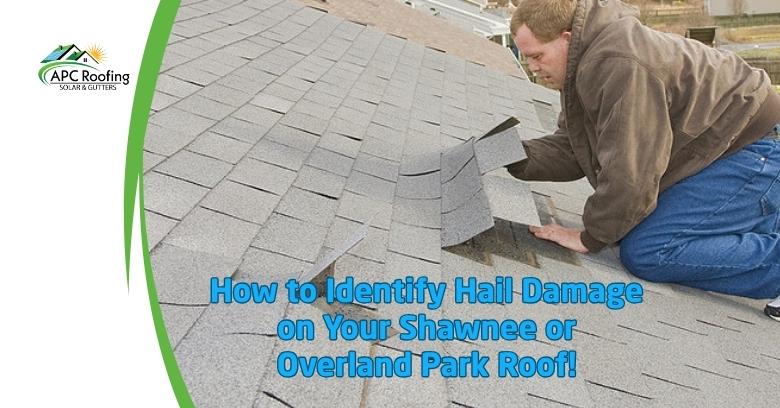
Hail. Denver gets more hail than most of the country, and larger stones can crack or chip tile, especially older or thinner pieces. One cracked tile can let water reach the underlayment below.
Freeze-thaw. Water that soaks into a hairline crack freezes overnight, expands, and makes the crack worse. Over many winters that can split tiles that looked fine in the fall. That’s why tile used on Colorado homes should be rated for freezing climates.
Sun at altitude. UV is stronger a mile up. It doesn’t hurt the tile much, but it does break down the underlayment wherever it’s exposed, along with sealants at vents and walls.
Snow and ice. Wet spring snow is heavy, and ice can build up at the eaves when attic heat melts the snow above. Meltwater backs up under the tile edges at the bottom of the roof.
Clay or concrete tile?
Both are common on Denver homes, and both can last a long time when they’re installed right.
Concrete tile is the more common choice. It comes in flat and curved profiles and in a wide range of colors. Clay tile is the traditional Spanish-style roof, and its color is fired into the tile, so it holds its look for a long time. Our concrete tile roofing page goes into concrete in more detail.
Either way, tile is heavy. If you’re thinking about switching from shingles to tile, the roof framing has to be checked first to make sure it can carry the extra weight.
Why the underlayment matters most
On a tile roof, the tile sheds most of the water and protects what’s underneath from sun and hail. The underlayment below is what actually keeps the house dry. It usually wears out long before the tile does.
That’s why a leaking tile roof often doesn’t need new tile. It needs the tile carefully lifted and stacked, new underlayment and flashing put down, and the same tile set back in place. This is called a lift and relay, and it can save a lot of good tile from the landfill.
Tile roof repair in Denver
Common tile repairs include:
- Replacing cracked or broken tiles after hail or foot traffic
- Resetting tiles that slipped or came loose
- Replacing worn flashing at walls, chimneys and skylights
- Repairing ridge and hip tiles, which take the most wind
- Fixing leaks where pipes and vents come through the roof
Walking on tile is a skill. Step in the wrong spot and a tile cracks, so a lot of tile damage is actually caused by people who were on the roof for some other reason. Our crews know where to put their weight. See our tile roof repair in Denver page for more.
When it’s time for a new tile roof
If the underlayment has failed across most of the roof, tiles are cracking all over, or the roof has had repeated leaks, a full tile roof installation may make more sense than chasing repairs. We’ll show you photos of what we found and explain why, so you can decide.
Hail damage and insurance
If hail cracked your tile, document it soon. You file your own claim with your insurance company, and you pay your own deductible. We photograph and measure the damage, give you a written estimate, and work with your adjuster. Our hail damage roof repair page covers what to look for.
How it works
- Book your free inspection. Call 720-902-6940 or request a free online estimate.
- Get a clear, honest assessment and estimate. You’ll see photos and hear whether you need a repair, a lift and relay, or a new roof.
- Your roof gets done and the site gets cleaned up. The crew handles your tile with care and cleans up before leaving.
Financing is available through Aqua Finance, Fortifi, Hearth and Home Run Finance.
Questions about Denver tile roofing
Can a tile roof handle Denver hail?
Tile holds up well to small hail, but larger stones can crack it. Tile rated for freezing climates and regular inspections after big storms help it last.
Can you match my existing tile?
Often, yes. Some tile profiles and colors are discontinued, so we’ll compare samples against your roof. If a perfect match isn’t available, we can sometimes move tiles from a less visible slope to the front.
Why does my tile roof leak if the tiles look fine?
Usually the underlayment or flashing underneath has worn out. Tile can look perfect from the street while the layer doing the waterproofing has failed.
Is it safe for me to walk on my tile roof?
We’d rather you didn’t. Tile breaks easily underfoot if you don’t know where to step, and it’s slick when wet or icy.
A tile roof that keeps doing its job
A cracked tile or a worn spot of underlayment rarely fixes itself. Water works into the decking a little more with every storm and every freeze, and a small repair turns into a bigger one. You don’t have to do everything at once. It just helps to know where you stand.
The next hailstorm comes and goes, and you don’t give the roof a second thought. That’s the goal: a dry house, no surprise bill, and a tile roof that still looks right. Call 720-902-6940 to book your free inspection, or start with our free online estimate. Back to all roofing services in Denver.