Searching for Emergency Roofing in Denver Colorado?
APC Roofing takes on anything from a checkup to a full replacement, on shingle, metal and tile alike.
Dial 720-902-6940, and a roofer comes out to see the house firsthand.
A Roof's Construction, Explained: the Working Structure
The shingles or panels on top form the outer layer, and a water barrier, plywood and framing sit below the surface. Sheet-metal flashing takes over at each wall, stack and valley, and a leak at that spot rarely points to failed shingles nearby.
Ventilation in the attic ranks as one more working part of the roof, as heat trapped under the boards shortens the life of the shingles above. A stain on an upstairs ceiling can trace back to any level of the roof, so patching only what the yard shows can fail to reach the real cause.
The Duties of a Roof: More Than Meets the Eye
Laps and pitch steer rainfall toward the gutters, while the fastening pattern stands up to uplift. The rafters and the deck carry the weight overhead, snow included at the colder end of our territory, while airflow through the attic moves damp air out.
Water is the covering's job, and wind is the fastening's task, while what is underneath holds the whole thing steady, out of sight. A problem in one material reads as damage on a different part of the roof, so the trail gets followed back before anything gets mended.
The Smaller Details Up Top: The First to Weaken
A field of sound shingles can go for decades, but the flexible seal around a stack splits well before the shingles do. Rain finds a way down past the weak point, and a brown patch forms on the ceiling underneath.
Sealant along metal edges dries and shrinks in strong sun, and metal flashing rusts at bends and cut ends. The capping pieces craze down the center, because the highest point stands open to glare and gusts.
A Walk Around the Property Beforehand: Standing Back and Then Closer
From the yard, the shape of the roof reveals dips, sags and wavy planes, and the gutters, fascia and trim come into view at the same time. A zoom lens singles out torn collars, lifted tabs and bare patches, though some faults cannot be judged without climbing onto the roof.
Out on the roof, a roofer presses on every connector and follows each run of flashing, and the covering is checked for brittleness, granule shedding and curling. A steep or wet roof is not walked, and the eave, reached by ladder, provides the vantage point instead.
Above the Ceiling: Clues From Below
A stained patch on the plywood shows water that got in before, and a wet surface under the hand means water is still getting in. Daylight visible between the boards marks an opening, and the distance from the ridge and gable gets measured so the spot can be found outside.
Nails freckled with rust show condensation at work, not rain damage, and a flattened, discolored patch nearby carries the same message. Insulation crammed against the eave, or an exhaust fan dumping into the attic, comes to light only from inside, so a street-level glance never catches faults of that kind.
The Paper That Follows: the Basics
Findings arrive as photographs tied to specific places on the roof, and a line of text says what each image shows. Good sections get the same plain treatment as sections that do not, and faults are ranked by how soon repair is needed.
A report kept on file lets the next check be measured against a known starting point, and a trend across seasons is clearer than a single day's snapshot. A roof checked on a steady yearly cycle seldom surprises the owner, and large jobs show warning signs well ahead of the work becoming pressing.
Upkeep on a Shingle Roof: the Basic List
Vent collars get replaced before splitting, and aging caulk at skylights gets cut out and redone. Debris gets swept from the valleys and from the crickets, and the gutters get kept running and secured.
A loose piece fastened back promptly stays a minor task, but waiting out a rainy stretch invites water in from beneath. Lichen keeps the surface damp and works in under the shingles, and the growth gets treated and brushed off, never pressure-washed.
How Often the Checkup Should Happen: Consistency Pays Off
An experienced roofer should read the covering once every year, set for just after the roughest local weather each season. The purpose is catching wear before a leak develops, and repair work gets planned rather than rushed.
After rough weather, anyone can scan the roof from the yard, and bedroom ceilings upstairs can be watched for fresh spots. Climbing to the attic hatch with a flashlight twice a year is a smart move: damp wood, daylight and wet insulation are easy to see long before anything reaches the space below.
Judging a Roof's Age From Outside: What the Years Bring
A shingle surface in the first seasons looks crisp and even, and later in life the sun-exposed plane fades before the shaded side does. Close to the finish, corners lift and bald patches spread, and a repair rarely holds for long at that stage.
An appraisal from the yard supplies a decent guide, but the true condition shows only from up top. When shingles are exhausted, the candid conversation turns to replacement, and a reliable contractor says so outright, instead of offering another fix.
The Channel's Part in the System: A Quick Look
The covering's job on water stops at the drip edge, and the gutter takes over from that point. A channel hung the wrong way holds a pool against the house, and the framing at that spot decays.
A weak area there more often means bad drainage than a shingle issue, and a new covering will not fix what backed-up water caused. Gutter fall and downspout placement get checked together, and the drip-edge metal and the overlap at each joint get looked over as well.
A Two-Way Exchange: Why the Details Matter
Fresh air is meant to come in at the soffits and exit along the ridge, and that flow carries built-up heat and dampness away from the attic. If the vents get blocked, the attic overheats each summer and stays sticky the rest of the year, and the deck and shingles suffer early.
A fan starved of intake draws air from the rooms below, not from outdoors, and competing setups on one roof can leave the lower attic stagnant. Fresh shingles laid over stale, trapped heat age nearly as fast as the old ones did, so the underlying cause gets addressed in the plan for the new roof.
Weather Decides Every Job: What Shifts From Place to Place
Toward the colder end of our territory, frozen gutters and heavy snow set the priorities, so a self-sealing membrane runs up from the edge. At the coast, uplift decides the fastening pattern, and hurricane-rated edges and sealed flashing get specified.
Where big hail is common at the colder end of our region, a harder surface earns consideration, while strong sun bakes asphalt across every market we serve. Specifications follow the weather at the house, not routine, and not whatever a past project called for.
Family Homes and Business Buildings: Different Demands
Angle and overlap work together to move water off a pitched covering, and shingle, tile and metal all serve that role. A store or warehouse shelters under a nearly flat, sealed membrane, and scuppers and equipment penetrate that same surface.
Many houses have a gently rising porch or addition, and a shingled surface there lets rain linger long enough to work under the courses. A low spot like that calls for a sealed sheet, tucked beneath the steeper roof above, and another layer of shingles there brings back the same problem.
A Cover Until Things Get Fixed: Done the Right Way
A barrier over a torn area keeps water out in the meantime, but the underlying trouble waits for a crew. A properly installed cover wraps the ridge and gets pinned under wood strips, and the material gets drawn tight enough to hold quiet in a gale.
A cover needs a wide border around the hole, because rain travels sideways toward a gap that stops short. Plastic left in place for months traps heat and moisture against the deck, and the material underneath weakens over time.
The Tie-In at a Chimney or Upright Surface: Getting the Work Right
Where shingles climb beside a wall, L-shaped pieces alternate with the courses, and a strip of trim above turns down over the top edges. Every chimney needs an apron at the front and metal carried up across each edge, and any stack wider than a small one calls for a cricket set into the slope uphill.
A smear of mastic over a bad patch opens up within a few seasons, and only a correct rebuild ends things for good. Soft mortar lets water into the brick above the flashing, and that kind of trouble calls for a mason alongside a roofer.
Getting the Scope in Writing: What to Look For
A detailed listing names each material going on the roof, and the document states whether the current layer stays or goes. A solid outline sets a rule for any soft sheathing found mid-job, and flashing, ventilation and cleanup each appear as a separate line.
Competing proposals listed in detail can be read side by side, and what one write-up covers and another skips becomes obvious. A crew that asks for trust instead of anything in hand has left out the part that matters, and memory is a poor record of what got agreed.
Redoing an Aging Roof: What a Homeowner Sees
Anything near the eaves that could get damaged gets protected ahead of time, and the existing covering gets removed completely. At that stage, the wood underneath gets inspected, and anything that flexes underfoot gets sawn out and patched.
Underlayment, new metal and ice-and-water membrane go on across the open deck, and the new covering goes down, capped and vented at the top. A magnet pass covers the grass and pavement at the end, and the gutters get a final check for leftover material.
Non-Shingle Roofing Care: Notes by Covering Type
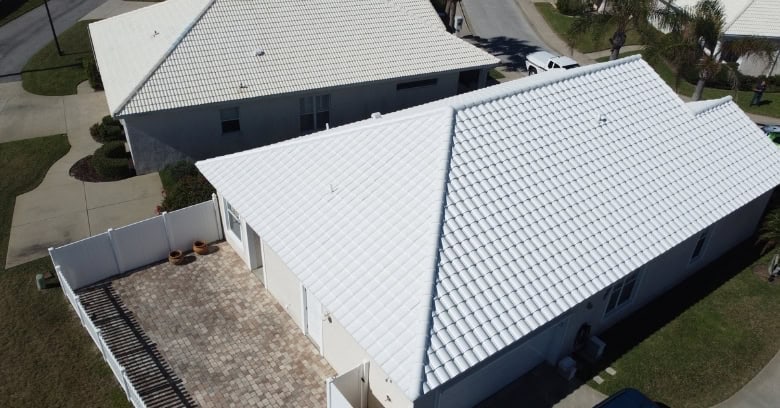
Screw-down metal panels depend on a gasket beneath each fastener, and a hardened washer gets swapped out along with a new screw. Clay and concrete tile go down by more than one method, from mortar to foam to clips, and the underlayment does the actual waterproofing.
Walking on the wrong spot cracks a piece, and a damaged unit gets swapped for another of matching shape. Where part of a roof runs nearly flat, ponding and split seams are the warning signs, and the drain openings get kept free of debris.
Things an Owner Can Spot: Outside and In
- A buildup of shingle granules in the drainage, in amounts that keep returning each season.
- Curled or lifting edges on the courses, noticeable from across the street.
- Torn rubber where a pipe exits the deck, easy to spot with binoculars.
- Paint blistering overhead after a storm, still visible once dry.
- Light glowing between the planks, spotted during a flashlight check.
- Green growth along the north-facing side, pushing up the lower edges of the shingles.
- A wave running across a plane, visible against the sky.
- Gaps opening where flashing meets siding, easy to spot from the yard.
Emergency Roofing for Denver Colorado Households: How the Visit Works
Before any advice gets given, a roofer goes over the whole covering and the attic, and the findings arrive as photographs with a written note. Sound parts get named as plainly as parts that need work, and the homeowner decides what happens from there.
Emergency Roofing in Denver Colorado: Straight Answers About the Roof
Phone 720-902-6940 and set a time for a visit.
An Archive for the Roof: Best Done Early
Tracking when the covering went on and what was used is worth the effort, and every yearly report can go into the same file. Marking down every repair, with the location and the work done, leaves useful detail, and given enough time the pattern becomes clear.
Selling a property brings questions about what is overhead, and dated records answer all that better than memory ever could. A backup copy of the whole file keeps one bad day from erasing the whole thing, because a single set can be destroyed in a flood or a fire.
Signs of a Job Done Right: Details to Check
Courses run straight and the cuts along the rakes come out clean, and nails stay covered by the layer above. Flashing at walls is new and set in properly, and nothing gets troweled on to cover a shortcut.
The attic keeps intake and exhaust moving after the job, and the downspouts remain connected and unclogged. The yard gets swept with a magnet before the crew leaves, and sawdust near a cut line is the most common leftover once the work wraps up.
Anyone weighing choices for Emergency Roofing in Denver Colorado has one straightforward next step. Contacting APC Roofing at 720-902-6940 puts a time on the books. Every stop covers the full roof, top to bottom, with no loose ends left over.
Verified

Verified
Verified
Verified