Looking for Standing Seam Metal Roofing in Kansas City Missouri?
APC Roofing puts up and mends screw-down sheet and clip-held panels, from a pole barn to a family home.
Call 913-398-5020 and someone who knows the trade will come out to take a look.
Which System Is Up There – A Glance Up
Screw-down panels, corrugated or ribbed, are fastened with screws through the exposed metal, but standing seam is anchored by clips concealed beneath upright folds. On homes the metal is usually coated steel, and aluminum or copper appears now and then.
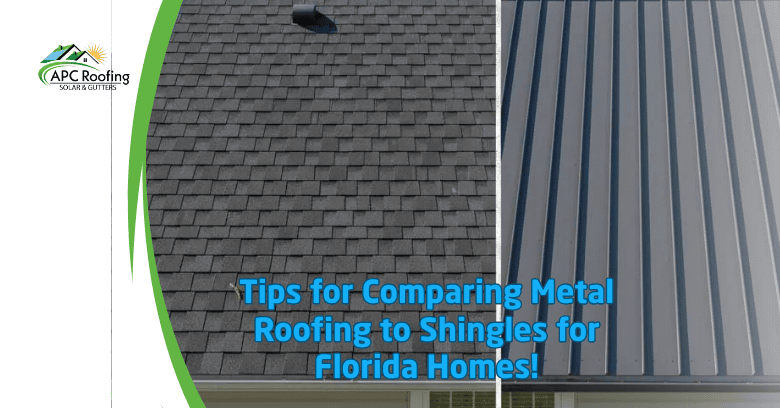
Seen from a sidewalk, dotted lines of screws signal an exposed-fastener system, while flat pans divided by upright folds with no hardware showing are standing seam. Outbuildings and porches lean toward ribbed or corrugated sheet, and dwellings use both.
Profile Options: Which Suits a Building
Corrugated material makes a run of soft, even undulations, while ribbed designs show angular ribs and wide flats. Neighboring sheets overlap at a side edge by a single crest, and every screw lands where a maker's layout calls for.
With deep ribs, a ribbed panel bridges wider spacing, and a rounded wave appeals on older or rustic structures. Taller ribs give runoff more room on a long slope, and a lean-to or porch manages fine with a gentle pattern.
Exposed Hardware: Small Parts, Big Job
A single screw pins the metal firmly to framing below, and a gasketed washer under each head does the sealing. Rubber in steady sunlight hardens and cracks with age, and the panels usually last a great deal longer.
Overdriving tears a washer and dishes the metal, and a slack or crooked fastener leaks on one side.
Hardware Swaps – Where Help Stops
Washers on corrugated or ribbed panels give out as a group, and a full re-screw is an ordinary step somewhere along the way. Old fasteners are backed out one at a time, and an oversized screw returns to every hole to catch undamaged fibers or metal.
Re-screwing with new washers fixes leaks at screw heads and snugs down sheets that flutter, but red rust, gaping laps and cracked flashing need other remedies. Thread type follows whatever support lies below, since lumber and steel purlins take different screws, and tops come painted to suit a colored finish.
Movement Through the Day: Why Slack Matters
A steel sheet grows in afternoon heat and shrinks back by dawn, and a forty-foot run can shift a quarter inch or more, and aluminum reaches about double. Where nothing lets a panel slide, the metal elongates screw holes, and water gets past a washer.
Ticking heard as morning sun lands on steel is ordinary expansion, and a well-built roof takes no harm from some noise.
Under Upright Joints – Laid in Sequence
A long pan is locked down at a single band, while floating clips elsewhere allow the pan to slide. A finishing piece at an opposite end has room built in underneath, and metal with no play winds up torn or kinked.
As a pan is laid, clips are driven into the deck along one leg, so no fastener head is left out in the weather.
Closing a Seam: Which Suits the House
A basic profile engages with a firm push along a full length, while machine-rolled designs get folded over by a motorized seamer. A double-lock seam holds far better against strong gusts and standing water, and a gentler pitch is allowed.
Pan width and rib height vary from product to product, so the house and a preferred look guide a decision. Clips, trim and closures are bought to suit one particular panel, so parts are not mixed between makers.
Heavier and Lighter Stock: Dents and Ripples
Steel is described by gauge rather than inches, and higher numbers mean thinner sheet. Outbuildings commonly get twenty-nine, and homes typically get twenty-six or twenty-four.
Aluminum is called out in decimal inches, and in either metal thicker stock dents less and lies flatter. From the ground, light and heavy metal look alike, so a label or order sheet is what gets checked.
Factory Protection – Finishes That Hold Up
Roofing steel leaves a mill with a zinc or aluminum-zinc layer over plain sheet, and a color coat is baked on afterward. A scratch that stays within paint does no harm, but an unprotected cut or a gouge to bare steel is where red rust starts.
Fluoropolymer finishes remain true to color for many years, but silicone-modified polyester goes dull and powdery earlier. Wet mortar and fresh concrete attack an aluminum-zinc coating, and a barrier belongs wherever panels meet new stonework.
Picking an Alloy – Coast and Country
Aluminum carries less weight and does not redden, though a thicker grade is needed to resist dents. Salt air at the coastal end of our territory attacks zinc-based layers, so a marine-rated system often goes up near a beach.
Copper usually goes on small accent roofs over bays and entries, and the metal is left bare to weather.
Metals That React: Treated Lumber and Wrong Screws
A copper pipe or flashing above steel sends corrosive drainage down over the panels, and staining shows up well ahead of pinholes. Chemicals in treated lumber pit any aluminum resting on top, and fasteners of an unsuited metal leave a ring of damage.
A new piece of flashing belongs in a metal that matches existing work, or a strip of membrane goes between dissimilar metals.
What Buyers Notice: Choices That Help
What the trade calls oil canning is a mild wave in a flat pan, and a sun low in the sky exaggerates every contour. Metal with a visible warp stays just as watertight, and the roof ages no faster.
Narrow pans, heavier stock and striated flats hold waves back, and a smooth, straight base under the panels counts. Pictures of houses with and without oil canning make comparison easy, and you make the call on profile.
Everyday Comfort: What Reaches Living Space
A shed with bare purlins under the panels rings like a drum, since a single skin is the only barrier. A dwelling puts decking, a membrane and insulation between the panels and any bedroom, and occupants notice only a slight change from shingles.
Cool-pigment coatings return the bulk of the sunshine, so upstairs spaces bake less. Deep shades absorb as much as dark asphalt, and vents and insulation weigh as heavily as the choice of color. Thin steel cools off right after dusk, so upstairs rooms settle sooner at night.
Holding a Load Up There: Position Matters
Where winters bring real snow in our territory, slick panels shed a snowpack quickly, and a heavy sheet coming off in one piece can hurt a person or tear away a gutter. Rows of cleats hold a load back until melting clears the roof, and a doorway, walkway or meter below decides placement.
Brackets on standing seam bite an upright fold, not a flat, while exposed-fastener sheet takes mounts screwed into framing, and at the warm end of our range snow gear is unnecessary.
Damage From Above: Documented Plainly
Hail is common across the colder end of our territory, and panels with an impact rating are an option. Where a blow splits paint, bare metal can corrode, and a flattened rib or a shifted cap can leak.
After a storm, we photograph and measure what we find, so the size and position of each dent are known.
Holding On in a Gale – A Denser Pattern
Perimeter bands of a roof take a heavier pull than a central field, and a loose flange gives moving air a handle. Finishing trim is hemmed and caught on a cleat for a whole run, and no gap is left to work into.
Spacing shrinks where loads climb, at corners and a rim, as manufacturer tables call for at each site. At the coastal end of our range, where hurricanes come ashore, rows of screws draw in further, and panel and hardware are rated as one assembly.
Openings in a Covering – Careful Detailing
A plumbing pipe gets a flexible boot with a base that bends to a panel profile, and a hole is cut in a flat, never across a crown. Square penetrations take a curb and a cricket on a high side, so runoff is steered aside.
Caulk is a secondary barrier behind formed metal, since weather hardens and splits any compound long before the panels are done.
Changes of Direction – Joining Long Runs
Each valley gets a separate pan in advance of the panels, and every sheet is trimmed on the skew. Exposed ends are bent back and gripped by cleats, so no fastener sits where water collects.
On a run too long for one sheet, an endlap joins pieces with sealant between, and screws go through both thicknesses at close spacing.
Near-Flat Areas: Gentle Spots on a House
Corrugated and ribbed sheet usually needs around three inches of rise in every foot, and on flatter roofs, water works under side laps. Mechanically seamed panels are approved much lower, with certain lines suited to decks that are nearly flat.
Many homes have a gentle stretch over a porch or a later addition, and each incline is measured on site, and a part too low for any panel gets a membrane instead.
Support for the Roof – Purlins on Outbuildings
Residential panels are laid on a solid deck, and a high-temperature synthetic underlayment goes between, since ordinary felt dries out under sun-heated steel. Pole buildings commonly have metal spanning between purlins with air below, and distance between supports sets a minimum gauge.
Once an old covering comes off, spongy sheathing is found and swapped, as fasteners driven into mush pull straight out.
An Overlay – Battens and Underlayment
Local codes commonly accept metal set over a lone shingle layer, so waste is kept out of a landfill. Steel panels weigh well under two pounds per square foot, so reinforcement is rarely needed. Battens over a fresh membrane go across existing shingles, and panels are fastened through into sound wood.
Soft spots, old leak stains in the attic or a second layer rule out an overlay, because a problem covered with steel keeps growing out of sight.
Finishing Off – Tight Against Weather
Profile-cut closures fill openings beneath each rib at the upper and lower lines of a run, so wind-blown rain and nesting animals stay out. A ridge cover can include a vent or be solid, as existing ventilation requires.
A drip edge along an eave and trim on each rake complete a border, and fascia boards are kept out of runoff.
Care on Site: Handling and Footing
Standing seam panels are usually roll-formed to the full length of each slope, and nothing overlaps partway up. A long panel calls for several people spaced along the metal, and a kinked pan is not usable.
A foot goes only in flats directly above supports, as a seam under a boot can bend open. A damp or dew-covered pan gives a shoe nothing to hold, so the safest place for the household is indoors.
Signs Worth a Call – A Look From Below
- Brown rings at fastener heads, partway down a pitch.
- Loose screws riding high, on long panels.
- A peeled drip edge, above a porch.
- A collar gapping around a stack, by a bathroom fan.
- Red streaks at a raw end, at the bottom of a run.
- Color gone patchy, on a sunny slope.
- Water marks lined up on drywall, over a closet.
- A lap that has separated, beside a hip.
How APC Roofing Approaches Standing Seam Metal Roofing in Kansas City Missouri: Our Routine
We begin by figuring out which system is up there and how the panels are anchored, and next come screw locations, perimeter trim, pipes, valleys and overlaps. Notes cover gauge, finish and every kind of hardware, and a trip into the attic catches past leaks.
Findings come to you in a report with pictures, and every piece of advice comes with an explanation. Where a reseal will do, a reseal is what we propose, and a roof past saving is described plainly.
Standing Seam Metal Roofing in Kansas City Missouri – Straight Answers
Phone 913-398-5020 and we will book a day that suits you.
Deciding on Scope: Weighing Choices
A lone bad pan can be taken out and exchanged, though fresh color will not match weathered neighbors. Replacing a cracked boot deals with water at a pipe, and new screws restore a roof full of aged seals.
Once red rust has eaten through large areas, patching no longer makes sense, and a covering failing at nearly every joint is in the same position. One tired face of the house can be redone alone, provided trouble goes no further.
The Long View: Watching Details
Good metal work frequently reaches forty years, and every estimate is approximate. Concealed-clip panels require less upkeep because no rubber seal sits in the sun, while ribbed sheet gets new fasteners once washers tire.
Mixed metals, raw cut edges and caulk doing the job of flashing all shorten a roof's service, and a periodic look finds problems while minor. Leaves and needles piled in a valley or behind a chimney keep the metal wet, so removal pays off in longer-lasting paint.
Whenever Standing Seam Metal Roofing in Kansas City Missouri comes up, get hold of APC Roofing at 913-398-5020. Someone will go over every panel, fastener and piece of trim, and a written summary lays out what we saw so you can choose.
Verified

Verified
Verified
Verified
Verified