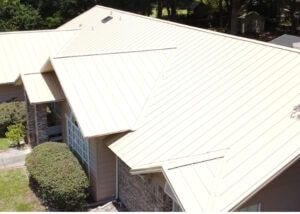
You’ve decided it’s time for a new roof, or you’re close. Now every estimate on your kitchen table promises a quality roof installation in Denver, and they all look about the same on paper. The trouble is that most of what makes a roof last sits under the part you’ll ever see, and you won’t get a second look at it once the shingles are on.
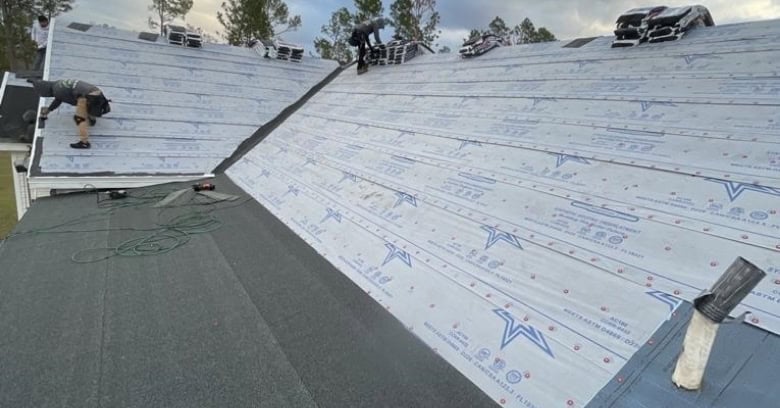
That’s a lot to take on faith. It helps to know what a good installation includes, so you can ask the right questions of any roofer, including us.
APC Roofing has been installing roofs since 2017. We’re GAF Certified, licensed and insured, and your estimate is free. Call 720-902-6940 to have your roof measured.
What a roof installation in Denver has to handle
A Front Range roof works harder than most. Hail can arrive in spring and summer. Spring storms drop heavy, wet snow. Winter brings days that swing from freezing to mild and back, which melts snow on the roof and refreezes it at the eaves. Add strong sun at altitude and gusty winds, and every layer of the roof gets tested. A good installation plans for all of it, starting at the wood.
The layers, from the deck up
The deck
Your roof is only as solid as the boards it’s nailed to. On a reroof, the old roofing comes off so the deck can be checked. Soft, cracked or rotted sections are replaced, and loose boards are fastened down. Skipping this step is the most common way a new roof ends up with soft spots and nails that won’t hold.
Ice-and-water barrier
This self-sealing membrane goes along the eaves and in the valleys. It sticks to the deck and seals around each nail. When an ice dam pushes meltwater uphill under the shingles, this is the layer that keeps it out of your attic.
Underlayment
The rest of the deck gets underlayment, lapped so each row overlaps the one below it like shingles do. It’s the backup if wind ever lifts a shingle or hail opens a crack.
Drip edge
Metal edging along the eaves and rakes guides water off the roof and into the gutter, and it protects the edge of the deck and the fascia from rot. Plenty of older homes don’t have it at all.
Flashing
Flashing seals the joints where the roof meets a wall, a chimney or a pipe. These are the places most leaks start, so on a new roof the flashing should be new, not old pieces bent back into place.
The surface
Then the part you picked out goes on: shingles, metal panels or tile. Each one has its own fastening pattern and details, and each needs to be installed to the manufacturer’s instructions to hold up in wind.
Shingle, metal, tile or flat
Most roof installations in the metro are asphalt shingles, and our shingle roof installation page goes through that job step by step. Metal sheds snow and handles wind well; see metal roof installation for how it’s put on. Tile is heavy, so the framing has to be checked before a home switches to it. Low-slope sections over porches and additions usually need a flat-roof membrane rather than shingles, because shingles need enough pitch to shed water.
Switching to a different kind of roof
Going from shingles to metal is usually straightforward. Going from shingles to tile is a bigger decision because of the weight, and it may need an engineer’s review of the framing first. Either way, the estimate should say what changes and why.
Getting ready for installation day
Move cars out of the driveway and garage. Take pictures and mirrors off the walls on the top floor, since hammering can shake them loose. If you store things in the attic, cover them; dust and the odd nail tip come through the deck during a tear-off. Let the neighbors know there’ll be noise.
Many residential projects are finished in a single day. Bigger roofs, steep roofs and tile take longer, and you’ll get a realistic schedule with your estimate. Most reroofs also need a building permit, so ask any roofer you’re comparing who pulls it.
How it works
- Book your free inspection. Call 720-902-6940 or request a free estimate online.
- Get a clear, honest assessment and estimate. We measure the roof, check the deck where we can and give you a written estimate that spells out the layers going on. Financing is available through Aqua Finance, Fortifi, Hearth and Home Run Finance.
- Get your new roof installed and the site cleaned up. The crew installs the roof and cleans up before they leave.
If you’re still weighing whether you need a new roof at all, start with our roof replacement page.
Roof installation questions
Can a new roof go over the old one?
Sometimes it’s allowed, but it hides the deck, adds weight and makes the next replacement harder. A full tear-off lets damaged wood be found and fixed first, and that’s the route we’d recommend for most homes.
Can you install a roof in winter?
Yes, on dry days with workable temperatures. Shingles seal best in warm weather, so a cold-weather install may need hand-sealing.
What should I look for in a roofing estimate?
Look for the layers: ice-and-water barrier, underlayment, drip edge, new flashing and the surface material by name. If an estimate only lists “new shingles,” ask what’s underneath.
How long does the installation take?
Many residential shingle roofs are done in one day. Metal and tile take longer, and so does any roof where a lot of decking needs replacing.
A roof built right from the wood up
Call 720-902-6940 or book your free estimate online. You’ll know exactly what’s going on your house before work starts, and you’ll end up with a roof that keeps the snow, hail and summer storms where they belong: outside.