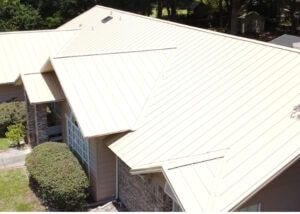
Your roof has been patched more than once, the last hailstorm left the shingles looking beat up, or a home inspector just wrote “near end of life” on a report. You’re starting to think about a Denver metro roof replacement, and the questions pile up fast. Is it really time? What should go on next? How does insurance fit in, and how do you know the crew won’t cut corners on the parts you can’t see?
A new roof is one of the bigger checks most homeowners ever write, so it makes sense to be careful. You should get a straight answer about whether you need one at all before anyone starts talking about colors.
APC Roofing has been replacing roofs since 2017. We’re GAF Certified, licensed and insured, and the inspection and estimate are free. Call 720-902-6940 to set up a time.
Is it time to replace, or can it wait?
Plenty of roofs that look rough from the street still have years left, and a repair is the right call. Replacement starts to make sense when you see a few of these together:
- Leaks in more than one place, or the same leak coming back after repairs
- Hail damage spread across several slopes, not one corner
- Shingles that are curling, cracking or losing granules into the gutters
- A roof deck that feels soft or sags between rafters
- A second layer of shingles already sitting on top of the first
If it’s close, you’ll hear that too. Sometimes the honest answer is “repair it now and plan for replacement in a few years,” and that’s a fine answer if it fits your budget.
Why a full tear-off matters
Some roofs in the metro already have a second layer of shingles nailed over the first. It’s faster for whoever did it, but it hides the deck. Soft wood, old leak damage and failed flashing all stay buried under the new layer, and the extra weight sits on the framing for the life of the roof.
Taking the old roof down to the wood lets the deck be checked board by board. Damaged sections get replaced before anything new goes on. It’s the only way to know what your new roof is sitting on.
What goes into a Denver metro roof replacement
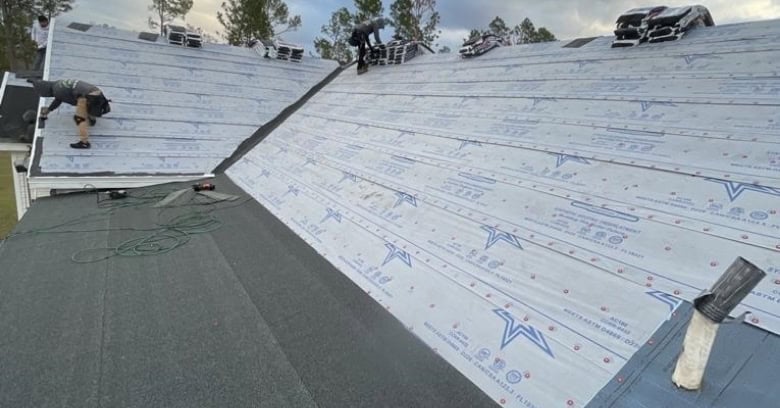
The shingles are the part you see. The parts underneath decide how long the roof keeps water out:
- Ice-and-water barrier along the eaves and in the valleys, where ice dams and heavy runoff push water uphill
- Underlayment over the rest of the deck as a second line of defense
- Drip edge at the roof edges so water drops into the gutter instead of soaking the fascia
- New flashing at walls, chimneys and pipes rather than reusing old, bent pieces
Our roof installation page walks through those layers in more detail.
Choosing the next roof for Front Range weather
Hail is the big factor here. A roof in the Denver metro can see several hailstorms over its life, plus strong spring winds, heavy wet snow and intense sun. That changes what’s worth paying for.
Architectural shingles are the most common choice. They’re thicker than the older 3-tab style and hold up better in wind.
Impact-resistant shingles are built to take hail better. Some insurers offer a premium discount for them, so it’s worth asking your agent before you choose.
Metal stands up well to wind and sheds snow. If you’re curious, see our page on metal roof installation in the Denver metro.
Tile fits certain home styles but is heavy, so the framing has to be checked first. Our Denver metro tile roofing page covers it.
Replacing a roof after hail
If hail did the damage, the replacement may be covered by your homeowner’s insurance. Your policy decides that. You file the claim with your insurance company and pay your own deductible. We document the damage with photos, give you a written estimate and work with your adjuster. Be wary of anyone who offers to waive or cover your deductible.
If you aren’t sure the storm did enough damage to matter, start with a free roof inspection. It tells you what’s there before you decide whether to call your insurer.
What replacement day looks like
Most re-roofs need a building permit, so ask any roofer you’re considering who pulls it. Before the crew arrives, move cars out of the driveway and take fragile things off the walls, since hammering can shake them loose. Expect noise. Many residential projects are finished in a single day, though larger or more complex roofs take longer, and you’ll get a realistic timeline with your estimate.
How it works
- Book your free inspection. Call 720-902-6940 or request a free estimate online.
- Get a clear, honest assessment and estimate. Photos of your roof, a repair-or-replace recommendation and a written estimate. If you’d like to spread out the cost, financing is available through Aqua Finance, Fortifi, Hearth and Home Run Finance.
- Get your new roof and a clean site. The old roof comes off, the new one goes on and the site is cleaned up before the crew leaves.
Waiting on a worn-out roof usually costs more in the end. Small leaks that go unnoticed in the attic soak insulation and rot the deck, and a replacement that might have been straightforward picks up wood repairs.
Roof replacement questions from Denver metro homeowners
Can I replace only the side the hail hit?
Sometimes. It comes down to how much of the roof is damaged and whether new shingles will match the old ones. A patchwork roof can look uneven and may age unevenly, and you’ll see the trade-offs before you decide.
Should I choose impact-resistant shingles?
In hail country they’re worth a serious look. They cost more than standard architectural shingles, so ask your insurance agent whether a discount offsets part of the difference.
What if the wood under my old roof is rotten?
Damaged decking is replaced before the new roof goes on. You’ll see photos of what was found, and the estimate explains how that wood is handled.
Can a roof be replaced in winter?
Yes, on dry days with workable temperatures. Shingle seal strips bond best in warm weather, so cold-weather installs may need hand-sealing.
A roof you don’t have to think about
Call 720-902-6940 or book your free inspection online. You’ll know whether it’s really time, what your options are and what it’ll take. Then you get a sound roof over your family, no surprise bill and the confidence that the job underneath was done right.