Florida storms are both beautiful and intense. In Orlando and Sanford, summer afternoons often bring sudden downpours that transform quiet neighborhoods into symphonies of rain. If your home has metal roofing, that symphony might feel a bit too loud.
Some homeowners enjoy the rhythmic tapping as a comforting backdrop while others experience stress, insomnia, or frustration when the sound feels overwhelming. The good news is that metal roofing does not have to be noisy. Excessive rain noise usually indicates a modifiable issue with installation, insulation, or roof structure, not an inherent flaw in metal roofing itself.
This guide will walk you through why metal roofs make noise, which factors make it louder in Florida, and the steps homeowners in Orlando and Sanford can take to reduce the sound. By the end, you will understand when minor adjustments are enough and when it’s time to call a local roofing company.
Why Metal Roofs Make Noise During Rain
Understanding the source of the noise is the first step toward a solution. Metal roofing panels vibrate when struck by raindrops and these vibrations can travel through the roof deck into your attic and living space. In heavy Florida downpours, this effect is amplified, creating a louder, more noticeable sound.
The Science of Rain Impact
When rain hits a metal panel, each droplet creates a tiny vibration. These vibrations add up, especially in sustained storms or when raindrops are large. The roof deck acts like a drumhead: a lightweight, poorly supported panel amplifies sound more than a dense, rigid deck. Factors like the pitch of your roof, the type of metal, and the presence of underlayment all influence the final sound level.
Installation Style Makes a Big Difference
Even within the same neighborhood, metal roofs can sound drastically different. Two homes with similar panels can produce very different noise levels, and the difference often comes down to installation style.
- Open framing versus solid decking: A roof installed over open rafters or purlins allows more vibration to pass through. In contrast, solid decking such as plywood or OSB acts as a sound barrier, reducing noise transmission significantly.
- Exposed fasteners versus standing seam panels: Exposed fasteners allow panels to shift slightly with wind and rain, creating more vibration. Standing seam metal roofing locks panels together and restricts movement, naturally reducing sound.
Florida’s Climate Intensifies the Problem
Orlando and Sanford Florida, receive heavy rainfall, particularly in the summer months, with frequent afternoon thunderstorms and occasional hurricanes. The combination of intense rain impact, high humidity, and heat-induced thermal expansion can exacerbate roof noise, making sound reduction strategies especially important in Central Florida homes.
Comparing Metal Roofing to Shingles
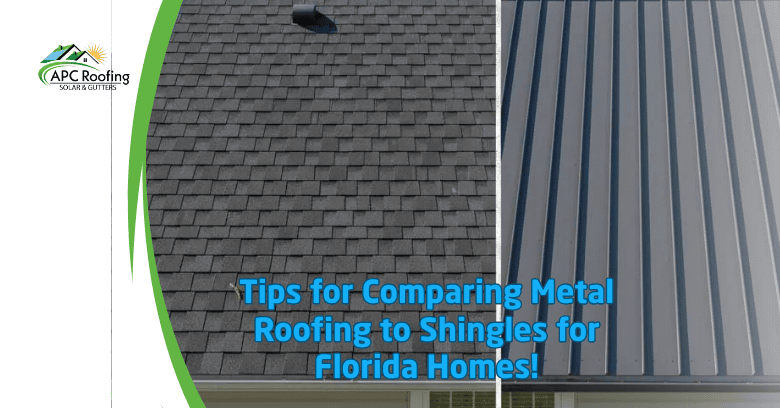
Many homeowners assume that metal roofing is inherently louder than asphalt shingles. While it is true that metal panels produce a sharper, higher-pitched sound when struck, a properly installed system over a solid deck with sufficient insulation is often comparable to shingles in terms of overall noise inside the home.
The misconception arises when older metal roofs are installed without proper insulation, underlayment, or decking. In these cases, noise is amplified. Homeowners who experience drum-like sounds often find that adding insulation, upgrading underlayment, or improving fastening techniques dramatically reduces noise without needing a full roof replacement.
Effective Ways to Reduce Rain Noise on Metal Roofs
1. Upgrade or Add Attic Insulation
Insulation is one of the most effective ways to reduce noise, particularly in Florida homes where attic space may be limited. Insulation absorbs the vibration before it enters the living area, dampening the sound considerably.
Blown-in fiberglass is an affordable and widely used option, offering excellent sound absorption and energy efficiency. Spray foam insulation provides superior soundproofing and seals air gaps, helping to regulate indoor temperatures in Orlando and Sanford’s hot, humid climate. Even a moderate upgrade in insulation can noticeably reduce noise while also lowering energy costs.
2. Improve or Replace Roof Underlayment
Underlayment sits between the metal panels and roof deck and plays a key role in both sound and water protection. Older underlayment materials can compress over time, diminishing their ability to dampen sound.
Synthetic underlayment is durable, water-resistant, and slightly flexible, which helps reduce the sharpness of rainfall sounds. Self-adhering membranes are thicker and offer enhanced sound absorption, while also protecting against Florida storms. Homeowners often find that updating underlayment during a roof upgrade or replacement provides a meaningful improvement in noise levels.
3. Ensure Solid Roof Decking
The roof deck, the layer beneath the metal panels, greatly influences vibration transmission. A lightweight or open framing system tends to amplify noise, whereas solid plywood or OSB decking provides both structural support and acoustic buffering.
For older homes in Sanford, retrofitting a solid deck may be a practical option. While this will require a professional roofing company, it is usually less costly than replacing the entire roof and can greatly improve both noise reduction and storm durability.
4. Choose Standing Seam Metal Panels
Standing seam metal roofing is widely regarded as the quietest metal roof option. Unlike exposed fastener panels, standing seam panels are tightly locked together, reducing vibration and minimizing sound. While the initial installation cost is higher, homeowners often find the long-term comfort benefits, coupled with improved wind resistance, to make it a worthwhile investment.
5. Check Fasteners and Panel Security
Loose or improperly spaced fasteners contribute to rattling during storms. Even panels that were quiet initially may become louder over time due to thermal expansion and contraction in Florida’s heat. An inspection from experienced roofing companies in Orlando Florida can identify loose panels, recommend secure fastening, and prevent future noise problems.
6. Consider Additional Soundproofing
Some homes, especially those with cathedral ceilings or minimal attic space, may benefit from extra acoustic measures. Mass-loaded vinyl barriers or specialized sound mats can be installed under metal panels or in the attic to absorb vibrations. These options are generally recommended when other measures like insulation and decking upgrades are insufficient.
Ventilation and Noise
Proper attic ventilation does not just regulate temperature and humidity as it also affects acoustics. In poorly ventilated attics, air pressure differences during storms can amplify noise. Balanced intake and exhaust, including ridge and soffit vents, help stabilize airflow and reduce vibration transmission.
Local metal roofing contractors often evaluate ventilation alongside insulation and underlayment when addressing noise complaints. In Orlando Florida, and neighboring Sanford, this approach is especially important due to the region’s high heat and humidity.
Retrofitting vs. Replacement
Not all noise issues require a full roof replacement.
Retrofitting improvements such as adding insulation, upgrading underlayment, and correcting fasteners often resolve noise problems at a reasonable cost.
Replacement may be necessary if panels are warped, the system was poorly installed over open framing, or older exposed fastener panels are causing persistent vibration. Professional evaluation allows homeowners to make the most cost-effective choice without compromising long-term performance.
Cost Considerations for Orlando and Sanford Homeowners
Noise reduction solutions vary in cost depending on scope:
- Insulation upgrades: $1,500 to $4,000
- Underlayment improvements: $1,000 to $3,500 depending on roof size
- Standing seam replacement: Higher upfront investment, long-term benefits
These costs may seem high, but consider the benefits: improved indoor comfort, lower energy bills, increased resale value, and enhanced storm resilience. In Orlando and Sanford, these improvements also help protect your home against the heavy rainfall and intense winds common in the region.
Why Hiring Local Roofing Contractors Matters
Local metal roofing contractors in Orlando, Florida bring knowledge of the region’s climate, building codes, and material performance under storm conditions. Experienced professionals can:
- Assess your current roof system
- Recommend targeted improvements or replacements
- Confirm compliance with local regulations
- Provide workmanship and manufacturer warranties
Homeowners benefit when a local contractor combines metal roofing expertise with familiarity with Orlando and Sanford storm patterns. Asking contractors about their experience, noise reduction strategies, and warranty options provides a long-lasting, quiet roofing system.
Signs It Is Time to Call a Professional
Even if your roof has functioned well for years, sudden changes in noise may indicate an issue. Call roofing contractors if you notice:
- A noticeable increase in sound during moderate rain
- Rattling panels
- Visible fastener issues or loose panels
- Leaks accompanying noise
- Structural vibration in ceilings
Prompt inspection can prevent minor issues from escalating into expensive repairs, saving both money and stress.
Conclusion
Metal roofing in Orlando Florida, and nearby Sanford can be both beautiful and quiet when installed correctly. Excessive noise usually results from factors that are fully within a homeowner’s control or the scope of professional roofing contractors.
Key steps include upgrading insulation, ensuring solid decking, using high-quality underlayment, considering standing seam panels, and securing fasteners properly. Combined with proper ventilation, these measures transform a noisy metal roof into a peaceful, reliable roofing system.
Homeowners concerned about rain noise should consult experienced metal roofing companies in Orlando or Sanford Florida. With professional guidance, even an older roof can achieve a quieter, more comfortable home environment while maintaining the durability and energy efficiency metal roofing is known for!
Key Takeaways
- Properly installed metal roofing is generally not louder than shingles.
- Insulation, solid decking, and quality underlayment are critical for noise reduction.
- Standing seam systems reduce panel movement and vibration.
- Local roofing contractors in Orlando and Sanford understand storm patterns, building codes, and materials best suited for Florida homes.
- Noise concerns often indicate modifiable issues, not an inherent flaw of metal roofing.
FAQs
Are metal roofs always noisy during rain?
No. With proper installation over solid decking and insulation, metal roofs perform similarly to asphalt shingles in sound levels.
Does adding insulation really make a difference?
Yes. Insulation absorbs vibrations before they reach living spaces, making a noticeable improvement in indoor sound.
Is standing seam metal roofing quieter?
Generally, yes. Standing seam systems limit panel movement and reduce vibration compared to exposed fastener panels.
Can I reduce noise without replacing my roof?
Often, yes. Adding insulation, upgrading underlayment, and securing fasteners can significantly reduce noise without a full replacement.
When should I call roofing contractors about noise?
If you notice sudden increases in sound, rattling, leaks, or loose panels, a professional inspection is warranted to prevent further damage.
Will adding attic ventilation help reduce roof noise?
Yes. Proper ventilation balances air pressure and reduces vibration, which can lower noise levels during storms.
Can metal roof noise affect resale value?
If the noise is excessive, it could impact buyer perception. Reducing noise through insulation or underlayment improvements can enhance home appeal.
Are certain metal roof colors or coatings quieter than others?
Thicker coatings or heavier panels can slightly dampen sound, but insulation and decking have a far greater impact on noise reduction.
How long does it take to fix rain noise issues?
Minor improvements like adding insulation or tightening fasteners can often be made in a day or two. Larger retrofits or replacements may take several days to a week.
Do all roofing contractors offer noise reduction services?
Not always. You should confirm that the contractor has experience with metal roofing and sound mitigation techniques before hiring.