Storm season has arrived and based on this year’s forecasts, roofers are preparing for it to be an active one.
Noting this, homeowners should stay alert for damage to their homes as well as roofs and whether there is a need for roofing services by doing a preliminary inspection after a storm has passed.
This checklist will help homeowners determine whether they need to make a call to a roofing company to arrange for storm damage repairs and whether their repair need should be considered an emergency!
1. Start With A General Visible Exterior Inspection
Once the storm has passed and the weather has cleared, roofers recommend that homeowners get an overall view of their home and roof to quickly identify any obvious damage.
Look for downed trees, tree branches on the roof or house, damaged fencing, roofing collapses, and other types of obvious damage that are easy to spot.
A need for roofing services or other home repairs may become apparent from just the first walk-around after a serious storm.
2. Inspect the Roof More Closely for Damage
Next, scan the roof more closely looking for less apparent damage.
Look for missing or damaged shingles and missing or damaged flashing, paying particular attention to areas around chimneys, vents, and other protrusions.
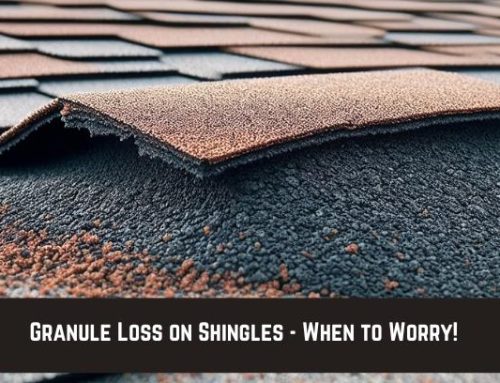
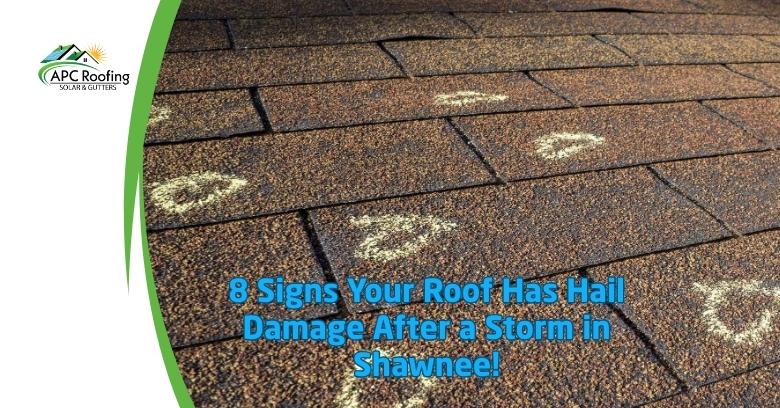
Roofing companies often see cracked, broken, and lifted shingles after a severe storm as well as loosened panels and bent or hanging flashing, all of which require repairing to restore the soundness of the roof.
A pair of binoculars will help a homeowner get an up-close view of these areas.
3. Look at Roofing Soffit and Fascia
Continue the inspection to include a detailed look at all soffit and fascia, which are often damaged due to high winds or debris impacts.
Cracks and dents or components that are out of place or pressed in need to be repaired by a roofer, as damage to these parts can allow water to enter the roof space during a future storm, affect ventilation, or even make the roof accessible to insects or small animals.
4. Inspect Windows, Doors, and Siding
After doing a detailed inspection of the roof and its associated components, extend the search to assess windows and window frames, doors and door frames, and home siding.
Look for dents, cracks, and any type of imperfection that was not there before, as defects like bent window frames, crushed and split siding, and other damage due to debris impact or high winds are common during severe storms.
5. Search for Evidence of Water Inside the House
Beyond exterior inspections, roofing companies stress the need to also look for roofing damage on the inside of the house.
Look for water damage inside the attic, water stains or softened drywall on the ceilings or walls, and water collecting in basements or crawl spaces, as these are all signs of roofing and/or other exterior home damage.
Water under the roof in any form suggests that roofing services are necessary to track down leaks and repair this damage before roof rot, mold issues, and other long-term water damage occur.
When In Doubt, Schedule An Inspection With A Local Roofer
When big storms pass, roofers recommend that homeowners step outside the comfort of their homes and look for possible storm damage that needs attention.
Though most homeowners may not be able to locate less obvious damage to their homes, they can easily assess whether they have an emergency need for roofing repairs or if they can wait a few days for a more detailed, professional inspection.
If in doubt about any observations, reach out to a local roofing company right away to arrange an inspection by skilled roofers who can assess any damage and recommend the best repair solutions!