In Need of Hail Damage Roof Repair on a Property in Deltona Florida?
APC Roofing walks a slope after a hard night outdoors, noting where the elements took the heaviest toll.
Call us at 386-356-2111 and set a time for a roofer to stop by.
What Fast Air Does to a Roof: a Detail Worth Knowing
Pressure concentrates at the eaves, the rakes and the ridge, though a plain stretch across the middle goes largely untroubled. Air that gets under a raised lip pries at the shingle set above the lip, so a lone nail beneath a shingle bears a following blast unaided.
A house corner throws wind into small eddies, and hardware spacing shrinks at that point on a well-built roof. A row of shingles at that outside edge carries more push than a row set farther out, which is why a crew raises the fastener count there on purpose.
A Last Step the Sun Finishes: Not Done at the Factory
Asphalt shingles carry a line of sealant that fuses down to the row set beneath, and a firm hold forms there, doing much of the work, not nails alone. A hard gust can break a bond across a stretch of roof, and a parted shingle rests unmoved for the moment, nothing showing on the surface.
A broken seal goes unnoticed until the wind returns, and a fastener gets wet as soon as that joint fails. Left alone, a single unsealed shingle is a minor thing, but a cluster of parted shingles makes a real opening.
The Rating on a Bundle: an Assumption Worth Checking
A laboratory fastens new shingles to a test panel and seals every tab by hand, before a controlled gust is brought to bear on the assembly. Years of sun and cold change how a shingle performs compared with the shingle's very first months in place, and a rating drawn from the original goods stops counting once weather sets in.
Fastening outside the marked zone leaves a shingle with a weaker hold, and a section can then give way at a wind speed below the figure on the wrapper. An aged mat loses flexibility a new mat still carries, which is why an early rating belongs to day one alone.
Hail and What a Strike Leaves: the Part That Matters
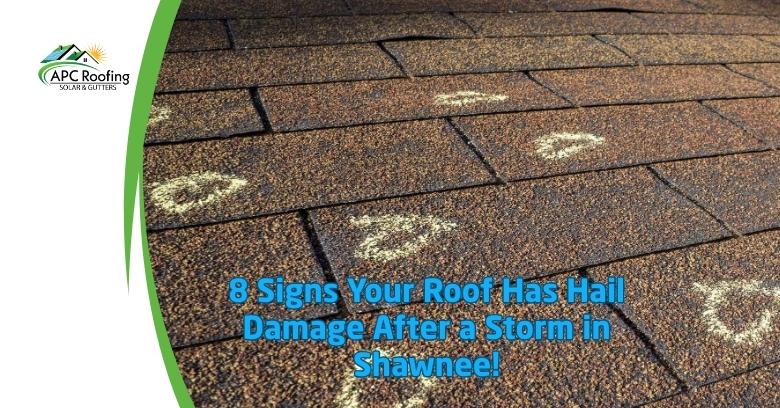
At the colder end of our territory, stones fall heavier than anywhere else we cover, and even a brief burst can cause lasting dents. A blow forces the outer coat into the material a shingle relies on, and a dimple stays on a shingle after a storm passes.
What stops rain from reaching a deck lies under the topmost grit, and a fault at that depth is never merely cosmetic. A hail-marked shingle gives up service life sooner than a sound shingle nearby, so a covering with widespread hail damage develops trouble in scattered places.
The Overlooked Fixtures: Easy to Walk Past
What a thick shingle takes without complaint can bruise a light-gauge trim piece, and a mark left that way keeps the same shape for years. A collar broken by a strike quits sealing where a pipe passes through a roof, and the water that follows shows up in a room below. A dented gutter can still carry water as designed, while a crushed downspout backs water up above a crushed section.
Every light-gauge piece up on a roof gets a separate look on the same trip, so nothing made of trim is left out of a written record. Trouble in the metal fixtures seldom arrives without a shingle nearby in equally poor shape, and the damage on that hardware is a reasonable clue to how the shingles have held up.
Loose Grit After a Storm: Worth a Second Glance
Colored granules bedded into a shingle block sunlight from reaching the asphalt below, and a bare patch left exposed hardens and splits within a season. Wind and rain together push stray silt toward a downspout, and a handful scooped from that spot says plenty about the roof.
An uncovered patch of shingle weathers far faster than a covered one, which is why small failures on a slope tend to add up. Sand in a gutter run is material the roof no longer carries, and the quantity found says something about how hard a storm hit.
Water Pushed Uphill by Wind: Why a Sound Roof Still Drips
Every overlap in a shingle assembly assumes gravity alone does the moving, so an angled gust finds a route no course was designed for. A turbine housing passes rain through once wind reaches a certain speed, and dampness pulled in that way lands on the insulation nearby.
Debris From a Tree – Small Mark, Real Harm
Momentum arriving fast concentrates weight in one tight spot, which puts extra strain on whatever framing lies beneath. A panel underneath can crack though the outer layer looks untouched, so an inspection covers both the top of the slope and the space beneath.
A swaying bough polishes a bright curve into the granules a branch touches, and the width of the mark maps out how far the motion carried. Reaching a cracked board usually means lifting the shingles above the break, and the scope of the job depends on what lies beneath the surface.
The View From the Rafters – Quick to Check
A pinprick of brightness through the roof boards points to a hole, so a person can pin down the location before ever climbing outside. Water leaves brown tide lines across the underside of a panel, which lets a roofer trace the mark back to the break above.
A hollow pressed into batting shows a place where drips keep falling, and the fibers rarely spring back once squeezed that way. Wind forcing air through an opening can carry moisture well past the covering, and knowing that is worth confirming before anyone opens the slope.
What Shows Up Indoors: Signs Worth Tracing
A brown ring on the drywall lands downhill of where rain first entered, because water can travel the length of a rafter before any hint develops. Blistered coating shows paint pushed away from behind by trapped moisture, which is why nobody should judge a covering by what shows up below.
A dripping recessed light is reason enough to shut off that circuit, and only after that switch is confirmed off does the cleanup begin. A dark patch next to a chimney chase often shows moisture running down against the masonry, and step flashing along that run gets looked at as well.
The Metal Details on a Roof – What Pulls Free
Segments set against a sidewall rely on both a proper lap and a secure fastener, and one weak point undermines the protection for the entire span. A squall catching the end of a course can tear the drip edge loose, and the covering can begin to unzip from that corner inward.
Caps at the summit of a roof are unshielded on either side of the peak, and the seam stays unsealed the entire distance the instant that connection fails. A vent unfastened at one end can rattle loose in a following gale, which wets structure over a much longer run than the opening suggests.
Openings for Daylight: Worth a Separate Look
A curb under a skylight is built above deck level for a reason, and every face of that structure gets a flashing cut just for that face. A hailstone can star the top layer of glass and leave the lower layer whole, and the assembly comes out complete rather than in pieces.
A dome struck by hail can splinter into a web of fine lines, and warm weather can lengthen a split that started out tiny. Cloudiness inside the glass is a broken seal, not everyday dirt, and the surrounding curb is a separate matter from that fault.
When the Rate Climbs Too High – Watching the Overflow Point
A short, heavy burst can deliver more water than a gutter section was built to carry, which sends standing water toward the wall rather than clear of the house. Buildup at a drop point can turn an entire drain line into a stagnant pool, and dampness trapped that way can seep in wherever the metal meets the trim.
What Bridges the Gap: What Stays On
A sheet fastened over an opening can keep rooms dry while a proper fix waits, and that covering is never the end of the job. A covering anchored on both faces of a slope moves water the way overlapping courses would, so a support strip backed by lumber spreads the load across a wider stretch.
Loose weight on top rarely secures a sheet once the gusts pick up, so the damage from a failure can extend beyond the first weak point. Driving nails through sound shingles just to hold a cover adds new leaks later, so a roofer plans exactly where every screw for that cover lands.
Putting Findings on Paper – Length and Extent
Close-up shots are captured from several angles while marks are still clear, which matters more than most homeowners expect going in. A short account describes the shape and extent of each damaged spot, so the size of a mark gets set down, not guessed.
Weather keeps working on an open roof within days of a storm passing, and the earliest check usually captures the fullest state. Anyone reviewing the file sees the same pictures and notes a homeowner already has, and none of that material gets altered for anybody's benefit.
A Line of Unmarked Rigs: a Few Plain Questions
Canvassing teams can appear on a block within a week of a bad night, but not every outfit working the area is a problem. Paperwork handed over on a driveway still counts as a real contract, and reading every line before agreeing is always worth the extra minute.
A firm listed at a local address remains easy to reach later on, and a fresh look stays possible if new facts turn up. An offer that expires while a truck sits in the driveway is not a real offer, so there is no harm in declining to agree to anything on the spot.
Weakness That Compounds – Reading a Pattern
A slope carrying broken seals meets the next gust already at a disadvantage, so the threshold for further failure drops with every fresh episode. A fold formed in one storm marks a weak line that never fully disappears, and granules often shed heavily from exactly that spot.
Once framing has taken on water before, a fresh leak follows the same open path, and the list of materials still needing work can lengthen quickly. Cycles of swelling and drying can open the layers inside a panel, and that is exactly where leaving early damage unaddressed shows up later.
Things Worth Checking After a Storm: Inside and Out
- A course lifted clear of the row beneath, plain enough from a driveway.
- Bruises along an aluminum edge, on the faces that took the worst of a storm.
- Sandy drifts along a gutter run, noticeable at cleaning time.
- Sky seen through the boards overhead, anywhere along a ridge line.
- Discoloration that widens with every downpour, often in a top-floor room.
- A soft spot in the wallboard near a corner, strongest on the side wind blew from.
- A star-shaped crack in a plastic cover, after a violent night of weather.
- A downspout crushed or pulled loose from a bracket, visible from the yard below.
The Way APC Roofing Works on Hail Damage Roof Repair in Deltona Florida – A Closer Look
The first steps happen at ground level, watching the yard for debris before a ladder comes out, and stray pieces scattered nearby offer the first clue about what gave way overhead. Every accessible section of the roof gets covered in person, and the space beneath the deck gets examined from the attic.
The results get measured, pictured and set down in writing for the file, and anything uncertain gets marked as uncertain rather than guessed at. A recommendation comes with the reasoning laid out step by step, and nobody presses a homeowner toward one option over another.
Hail Damage Roof Repair for a House in Deltona Florida: a Careful Look at What Happened
Phone 386-356-2111 to arrange a visit.
Snow on a Roof: Built to Take More
Out at the colder end of our territory, a large fall remains on the rafters well after the weather has moved on, and wet, packed snowpack weighs far more than dry powder ever does. An ice dam can form where a warmer deck meets a cold overhang, so a leak from that kind of blockage can show up on an exterior wall.
At the colder end of our territory, valleys and the sides of a dormer fill well past the general depth, and one section can carry many times what the rest of the roof holds. A sheet coming free from a metal surface can drop without warning, so keeping the ground clear beneath that overhang is worth doing.
Extra Wear Near the Shoreline: Hardware That Fails First
A house at the coastal end of our territory can face a gale from breakfast to dark, longer than a short spell anywhere else in our service area ever would. Sustained force can tire sealant strips and nail holes alike, which is exactly why hardware spacing matters more in that harder-hit zone.
Water thrown at a house again and again can test every joint in the building envelope, and interior cavities can stain as readily as ceilings do when that happens. Along the coast, roofs typically go on with extra fastening at rakes and eaves, and repair work there follows that same stricter approach.
A Fix That Blends In: Close, Not Exact
A newly made batch rarely lines up in shade with an aged covering nearby, and the surrounding roof ends up setting the visual standard. A repair on the street-facing side can be noticeable from the sidewalk, which some homeowners accept and others would rather avoid.
Shingles no longer manufactured get swapped for the nearest equivalent, and a substitute like that will never be truly identical. A slope covered in individual patches tends to read as pieced-together rather than one continuous surface, and doing one full side fresh looks far more deliberate than a piecemeal approach.
A Proper Result: Nothing Left Loose
A mended section sits down without any visible ridges, and the reveal of each course matches the courses nearby. New flashing gets woven into the shingles rather than smeared over the surface, and nothing on that patch depends on a single bead of sealant.
Nail heads stay out of sight beneath the next course laid over that spot, which is what a wind rating assumes will happen. A photo of new work, dated, becomes useful the next time a question comes up, because that record marks where a fresh section of roof began.
If you searched for Hail Damage Roof Repair after bad weather in Deltona Florida, contact APC Roofing at 386-356-2111 to arrange for a roofer to come out. What is up there gets inspected, measured and photographed in full, and a homeowner gets walked through exactly what was found.
Verified

Verified
Verified
Verified