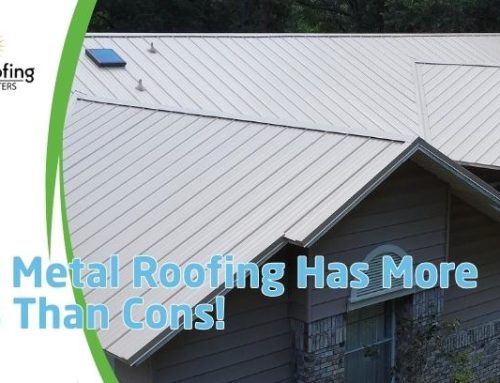
Homeowners along the Florida coast, particularly in Daytona Beach and Palm Coast, often consider metal roofing for its durability, longevity, and energy efficiency. Metal roofs can last 50 years or more resisting rot, fire, and termite damage while reflecting sunlight to keep homes cooler in the state’s intense summer heat. These benefits make metal roofing a smart investment for coastal properties, which face unique environmental challenges such as heavy rainfall, high winds, and humidity.
Nevertheless, one common concern frequently arises during the decision-making process – rain noise. Many homeowners envision the sharp ping of rain bouncing off metal panels during a storm. While metal roofs can produce sound, it is rarely disruptive when installed correctly. Excessive noise usually points to structural or installation issues rather than the metal panels themselves.
Understanding how noise is created and more importantly, how it can be mitigated, is essential for homeowners before hiring roofing companies. This guide explains why rain noise occurs, the factors that contribute to it, and the steps homeowners in Daytona Beach and Palm Coast Florida can take to enjoy a quiet, comfortable metal roof without compromising its durability or performance.
How Rain Creates Noise on Metal Roofs
Florida rainfall is distinctive in both intensity and frequency. Afternoon thunderstorms can bring sudden downpours, while tropical systems and hurricanes deliver prolonged heavy rain. Wind-driven rain strikes roofs at an angle, and the combination of droplet size and velocity produces forceful impacts.
Being rigid, metal panels naturally transfer energy when rain hits them. If this energy is not absorbed or diffused, it travels through the roof assembly into the attic and eventually into living spaces. Homes with open framing or insufficient underlayment are more prone to noise amplification. In these cases, the space beneath the panels acts like a drum chamber, resonating with every raindrop.
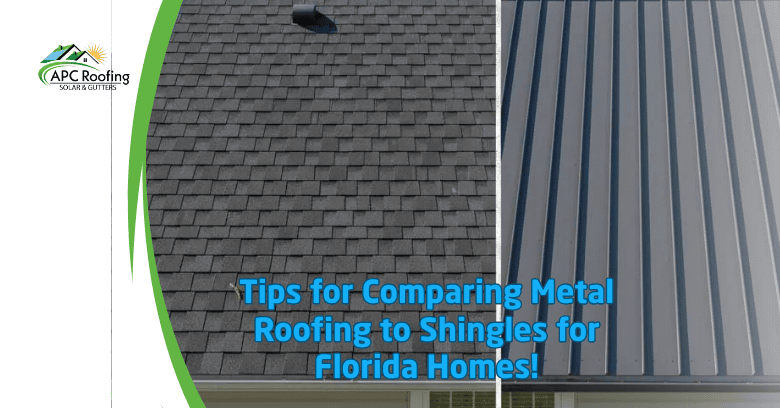
It is important to note that noise is not an inherent property of metal. Modern residential metal roofing systems, when properly installed, can be quieter than asphalt shingles, even during heavy storms. The key factors influencing noise include the roofing assembly beneath the panels, insulation levels, panel profile, and fastening techniques.
Solid Decking: The Foundation for Quiet Roofing
One of the most critical elements in controlling rain noise is solid decking. Many homeowners assume the metal panel itself absorbs sound, but the reality is that the surface beneath the metal does most of the work.
Solid decking, usually plywood or oriented strand board (OSB) provides mass and stability, reducing vibrations and preventing resonance. Homes built without continuous decking, using only battens or open framing, amplify sound significantly. The panels themselves cannot compensate for a hollow cavity beneath them.
For homes in Daytona Beach and Palm Coast Florida, solid decking also adds structural integrity. Coastal storms and high winds exert significant lateral force on roofs. Solid decking makes certain that panels remain secure, minimizes vibration, and reduces noise during storms. When evaluating roofing companies, homeowners should confirm that their installation plan includes continuous solid decking as a standard practice.
Underlayment: More Than Just Waterproofing
Underlayment is frequently thought of only as a moisture barrier, but it also plays a vital role in reducing noise. High-quality synthetic underlayment or self-adhering membranes provide a cushioning layer between the metal panels and the decking.
This layer absorbs some of the impact from raindrops, preventing vibration from transferring directly to the attic and living areas. Thicker underlayment provides better acoustic dampening, whereas thin or low-quality underlayment transmits more sound.
Underlayment also improves roof longevity in Florida’s harsh environment. UV exposure and heat can degrade lower-grade materials, reducing both moisture protection and noise dampening over time. Investing in premium underlayment provides immediate acoustic benefits and long-term durability, making it a key component for quiet, resilient metal roofing.
Fasteners and Panel Stability
Fastening technique is another crucial factor in minimizing noise. Overdriven fasteners can warp panels, while underdriven fasteners allow subtle panel movement. Both scenarios amplify vibrations, creating tapping or rattling sounds during storms.
Standing seam panels, with concealed fasteners and interlocking seams, minimize movement, making them quieter. Exposed fastener systems can still be effective but require meticulous fastening, proper torque, and spacing.
Experienced roofing companies in Daytona Beach and Palm Coast are aware of these nuances. They deliver correct fastening to prevent vibration, improve noise reduction, and enhance hurricane resistance, critical for coastal properties.
Attic Insulation: The Hidden Noise Barrier
Even with solid decking and quality underlayment, insufficient attic insulation can allow rain noise to travel into living spaces. Sound travels efficiently through air gaps, making insulation one of the most effective noise-reduction tools.
Upgrading attic insulation during metal roofing installation has multiple benefits. It reduces interior sound levels, improves thermal efficiency, and increases homeowner comfort during Florida’s hot summers. Common insulation options include:
- Fiberglass batting: Cost-effective and widely available, providing moderate sound absorption.
- Blown-in cellulose: Denser material that fills gaps, improving acoustic performance.
- Spray foam: Expands to seal air pockets, offering superior noise control and energy efficiency.
Spray foam insulation is particularly valuable in coastal Florida homes, as it addresses both sound and heat transfer so that metal roofing remains comfortable and quiet year-round.
Roof Pitch, Design, and Water Flow
Roof design influences how water interacts with the panels and how noise is perceived. Steeper roof slopes shed water more quickly, reducing prolonged impact in one location. Lower slopes may allow water to pool briefly, intensifying sound in specific areas.
Gutters, overhangs, and downspouts also affect perceived noise. In some cases, homeowners mistakenly attribute noise to the roof, when it is actually water rushing through undersized or poorly placed gutters. Properly designed drainage systems can reduce both noise and water-related damage, providing better overall performance.
Panel Profiles and Material Considerations
Not all metal panels are equal when it comes to noise control. Standing seam panels, with concealed fasteners and interlocking seams, typically produce the least vibration. Exposed fastener panels, like ribbed or corrugated systems, may transmit more sound if installation is not precise.
Panel thickness matters too. Heavier-gauge panels resist flexing and vibration, while thinner panels may amplify sound unless paired with solid decking, premium underlayment, and proper fastening.
Selecting the correct panel system is a critical step when working with roofing companies in Florida. Experienced installers consider panel type, gauge, and the roof assembly as a complete system to achieve the quietest performance.
Retrofitting Existing Metal Roofs
If your metal roofing is already installed and louder than expected, retrofitting is possible. Options include:
- Adding attic insulation
- Installing acoustic underlayment
- Correcting panel fasteners or alignment
Professional inspection by qualified roofing companies in Daytona Beach or Palm Coast is essential. Retrofitting can resolve noise issues without requiring full roof replacement, providing a cost-effective solution for homeowners who want to retain their existing panels.
Common Installation Mistakes That Increase Noise
Several installation mistakes are known to amplify metal roof noise:
- Skipping solid decking
- Using minimal or low-quality underlayment
- Failing to upgrade attic insulation
- Choosing thin-gauge panels for cost savings
- Hiring contractors inexperienced with Florida coastal conditions
Avoiding these mistakes makes certain that the metal roofing system performs quietly and remains durable for decades. Homeowners should insist on professional, experienced roofing companies for installation to prevent these problems.
Why Metal Roofing Remains a Valuable Investment
Despite concerns about rain noise, metal roofing is still one of the best long-term investments for Florida homes. It offers exceptional wind resistance, long service life, minimal maintenance, and reflective energy efficiency. Metal panels resist rot, pests, and fire, making them ideal for coastal environments.
When properly installed with solid decking, quality underlayment, correct fasteners, and sufficient insulation, noise is minimized. Homeowners in Daytona Beach and Palm Coast can enjoy all the advantages of metal roofing while maintaining a quiet, comfortable interior.
Conclusion
Excessive noise is not an inherent property of metal roofing. It results from missing structural components, inadequate insulation, or improper installation.
By prioritizing solid decking, premium underlayment, correct fastening, and proper insulation and by hiring experienced roofing companies, coastal Florida homeowners in Daytona Beach and Palm Coast can enjoy quiet, durable, and long-lasting metal roofing systems. Proper engineering delivers comfort and protection, even during Florida’s heaviest coastal storms!
Key Takeaways
- Metal roofing is durable, energy-efficient, and ideal for Florida coastal homes, capable of lasting 50+ years.
- Rain noise is not inherent to metal panels; excessive sound usually results from structural or installation issues.
- Solid decking provides a stable base that minimizes vibrations and prevents the drumming effect.
- High-quality underlayment absorbs the sound of raindrop impact while protecting against moisture and UV exposure.
- Proper fastening techniques, including standing seam panels or well-torqued exposed fasteners, reduce movement and sound.
- Adequate attic insulation acts as a hidden barrier, reducing interior noise and improving energy efficiency.
- Roof design, slope, gutters, and drainage impact on how water interacts with panels, affecting sound levels.
- Panel type, gauge, and profile determine vibration characteristics; heavier and interlocking panels generally produce less noise.
- Existing metal roofs can often be retrofitted with insulation or underlayment to reduce sound.
- Hiring experienced roofing companies means that all components work together, resulting in a quiet, long-lasting, and hurricane-resistant roof.
FAQs
1. Will a metal roof always be loud in the rain?
No. Proper installation with solid decking, premium underlayment, correct fastening, and insulation makes metal roofing comparable in noise to asphalt shingles.
2. What makes metal roofs noisy?
Noise usually comes from hollow spaces beneath panels, thin or low-quality underlayment, insufficient attic insulation, or improper fastening.
3. Can existing metal roofs be made quieter?
Yes. Retrofitting with additional attic insulation, acoustic underlayment, or correcting panel fasteners often resolves noise issues without replacing the entire roof.
4. Do all panel types produce the same noise?
No. Standing seam panels with concealed fasteners generally produce less vibration, while thin, ribbed, or exposed fastener panels may transmit more sound if installed improperly.
5. Does roof pitch affect rain noise?
Yes. Steeper slopes shed water quickly, reducing prolonged impact, while lower slopes can allow temporary pooling that amplifies sound.
6. Is insulation important for sound reduction?
Absolutely. Adequate attic insulation, such as spray foam, blown-in cellulose, or fiberglass batting significantly reduces rain noise and improves energy efficiency.
7. Can underlayment help with noise?
Yes. Premium synthetic or self-adhering underlayment cushions raindrop impacts and reduces vibration that would otherwise travel into living spaces.
8. Do fasteners affect how noisy a metal roof is?
Yes. Improperly installed fasteners that are overdriven, underdriven, or unevenly spaced can create movement and amplify rain noise.
9. Is hiring a local roofing company important?
Definitely. Experienced roofing companies in Daytona Beach or Palm Coast understand Florida’s weather conditions and can recommend the best materials and installation practices for quiet performance.
10. Are metal roofs worth it despite rain noise concerns?
Yes. When properly installed, metal roofs provide long-term durability, energy efficiency, hurricane resistance, and minimal maintenance, while remaining quiet and comfortable.