In Daytona Beach and Palm Coast, Florida, the combination of intense summer sun, high humidity, and frequent storms can take a significant toll on your roof.
Whether your roofing has weathered a few years or several decades, it's important to recognize when it's time to replace it before minor concerns become costly repair issues.
A well-maintained roof is essential for protecting your home from the elements, but even the best roofs have a lifespan.
If you're noticing any of the following seven warning signs, it may be time to consider a new roof installation.
1. Age of the Roof
The first thing to consider when evaluating your roof's condition to determine whether it is time for a roof replacement is its age.
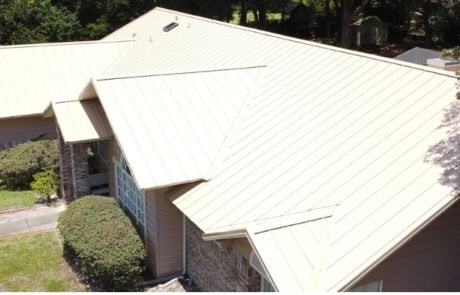
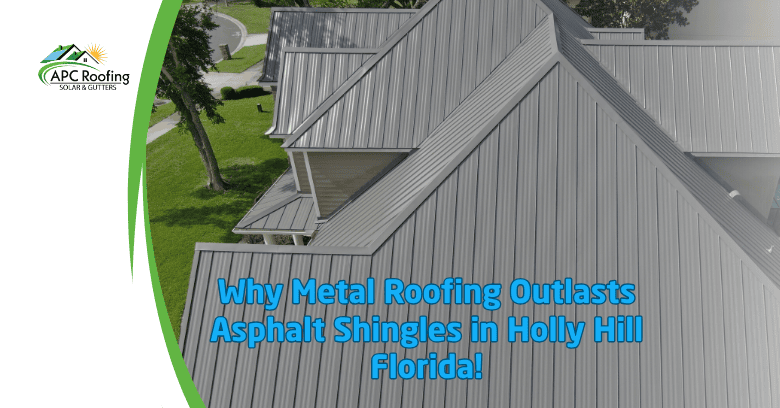
Most asphalt shingle roofs last between 20 and 40 years, while metal roofs can last much longer, up to 50 years or more.
If your roof is approaching or even past its expected lifespan, it's wise to start planning for a roof installation.
Even if you don't see visible damage, age alone can make your roof more vulnerable to leaks and other issues.
2. Curled, Cracked, Damaged, or Missing Roofing Materials
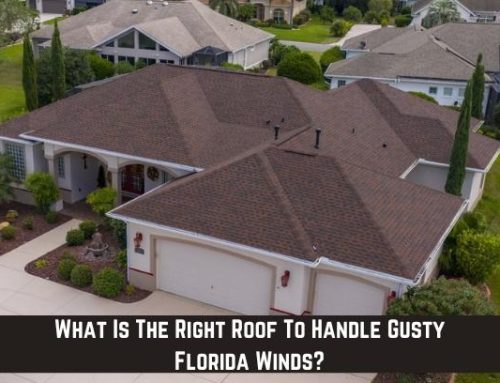
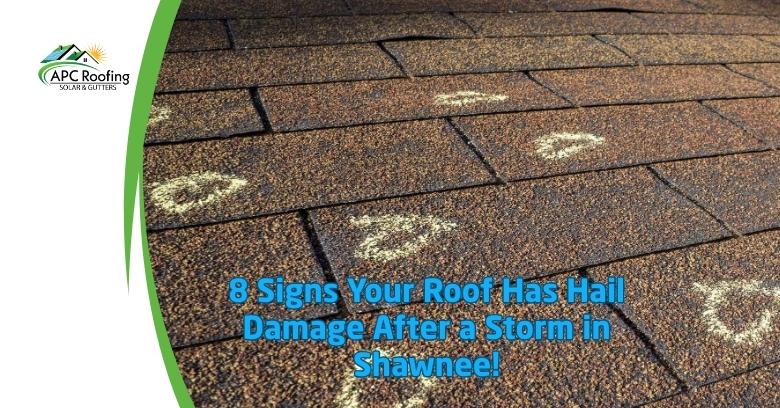
One of the most obvious signs of roof problems is curled, cracked, damaged, or missing roofing materials, whether shingles, tiles, or metal panels.
Over time, these materials can become worn due to weather exposure, UV rays, and aging.
Damaged or missing roofing materials and components, such as flashing, can leave gaps in your roof, allowing water to seep in and causing leaks or water damage inside your home.
If a significant portion of your roof is affected, it's essential to contact a roofing professional to evaluate whether a total roof replacement is necessary.
3. Water Stains on the Ceiling or Walls
Water stains on your ceiling or walls are a clear sign that there is an issue with your roof.
These stains, often yellow or brown in color, indicate that water is seeping through the roof and into your home.
Over time, untreated leaks can cause mold growth and structural damage.
If you notice water stains or spots on your ceiling, don't wait—call a roofing company for a professional inspection to determine if a roof replacement is necessary.
4. Sagging Roof Deck
A sagging roof deck is a serious red flag that should not be ignored.
This is often caused by water damage that weakens the structural integrity of the roof.
A sagging roof can lead to further structural issues, including the potential for a roof collapse in extreme cases.
If you notice any sagging, it's critical to schedule a roof inspection immediately, as this is a strong indication that you need a new roof installation.
5. Gutters Full of Granules
If you notice an increase in granules from your shingles collecting in your gutters, it could be a sign that your roof is reaching the end of its life.
Granules help protect the shingles from UV rays and weather damage.
As shingles age, they lose these granules, which can be washed off during rainstorms.
A significant amount of granules in the gutters suggests your shingles are deteriorating and may no longer be able to protect your home effectively.
6. Visible Mold or Moss Growth
In the humid Florida climate, it's not uncommon for mold or moss to grow on roofs, especially if your roof is older or shaded by trees.
While moss and mold may not immediately impact the structure of the roof, they can lead to serious issues over time.
They can trap moisture, which encourages further deterioration of shingles and decking, eventually causing leaks.
If you see moss or mold growing on your roof, it may be time for a new roofing installation to avoid further damage.
7. High Energy Bills
If your energy bills are rising, your roofing could be the culprit.
A deteriorating roof can damage your attic insulation, causing your HVAC system to work harder to maintain a comfortable temperature.
This is especially true if your shingles are worn down or your attic isn't properly ventilated.
A new roof can improve your home's energy efficiency, potentially lowering your heating and cooling costs in the long run.
Conclusion: Time to Act Before It's Too Late
In Daytona Beach and Palm Coast, where weather conditions can be harsh on roofs, it's essential to stay ahead of potential roofing problems.
If you've noticed any of the warning signs mentioned above, it's vital to take action sooner rather than later.
Delaying a roof replacement could lead to more extensive water damage, mold growth, and even structural issues that could put your home at risk.
A professional roof inspection can clearly assess your roof's condition and help you determine whether it's time for a new installation.
Investing in a new roof will protect your home and give you peace of mind, knowing that your roof is ready to withstand Florida's unpredictable weather.
Don't wait until it's too late.
If you notice these warning signs, consider contacting a trusted local roofing company for an inspection and expert advice on the best course of action for your home.
Key Takeaways
- Age Matters: Roofs have a limited lifespan—typically 15-25 years for asphalt shingles and up to 40 years for metal roofs. If your roof is near or past its expected lifespan, it may be time for a replacement.
- Visible Damage: Curling, cracking, or missing shingles, tiles, or metal panels are clear indicators that your roof is failing and needs professional attention.
- Leaks Are a Red Flag: Frequent leaks, water stains on ceilings or walls, or water pooling inside your home after storms suggest that your roof can no longer effectively protect your home.
- Structural Issues: A sagging roof deck or visible mold growth can point to significant underlying damage, signaling the need for a roof replacement to ensure the structural integrity of your home.
- Energy Efficiency Impact: A deteriorating roof can compromise your home's insulation, driving up energy bills. A new roof installation can help improve energy efficiency and reduce monthly costs.
FAQs
1. How do I know if my roof needs to be replaced?
- If your roof shows signs of aging, such as curled, cracked, or missing shingles, frequent leaks, water stains on ceilings, or a sagging roof deck, it may need replacement. A professional roofing inspection can help confirm this.
2. How long does a roof typically last?
- The lifespan of a roof depends on the material. Asphalt shingles last 15-25 years, while metal roofs can last 40 years or more. Tile roofs typically last 30-50 years with proper maintenance.
3. Can I replace part of my roof instead of the whole thing?
- In some cases, partial roof replacement is possible, but if the roof is aging or has widespread damage, a total replacement is often more cost-effective in the long run.
4. How do I know if my roof is leaking?
- Signs of a roof leak include water stains on ceilings or walls, visible mold or mildew, musty odors, or dripping water. Frequent leaks after storms also indicate your roof may need replacement.
5. How much does it cost to replace a roof in Florida?
- The cost of roof replacement varies based on material, roof size, and complexity. On average, a roof replacement in Florida can range from $5,000 to $15,000 or more, depending on the type of roof.
6. Will homeowner's insurance cover roof replacement?
- Homeowner's insurance may cover roof replacement if the damage is due to a covered event, such as a storm or fallen tree. However, insurance typically doesn't cover damage from normal wear and tear or aging.
7. How can I extend the life of my roof?
- Regular maintenance, which includes gutter cleaning, debris removal, and scheduling periodic roof inspections, can help extend the life of your roof. Timely repairs of minor issues can prevent more extensive and costly problems.
8. What type of roofing is best for Florida homes?
- Materials like metal roofing, clay or concrete tiles, and impact-resistant shingles are popular in Florida due to their durability and resistance to high winds and extreme weather conditions.
9. Can I install a new roof over my old one?
- Due to Florida's strict local building codes, installing a new roof over an old, damaged one is not recommended. A roofing professional can assess whether this is a viable option.
10. How long does it take to replace a roof?
- The time it takes to replace a roof depends on the size of your home, the roofing material, and weather conditions. On average, roof replacement can take anywhere from a few days to a week or more.